
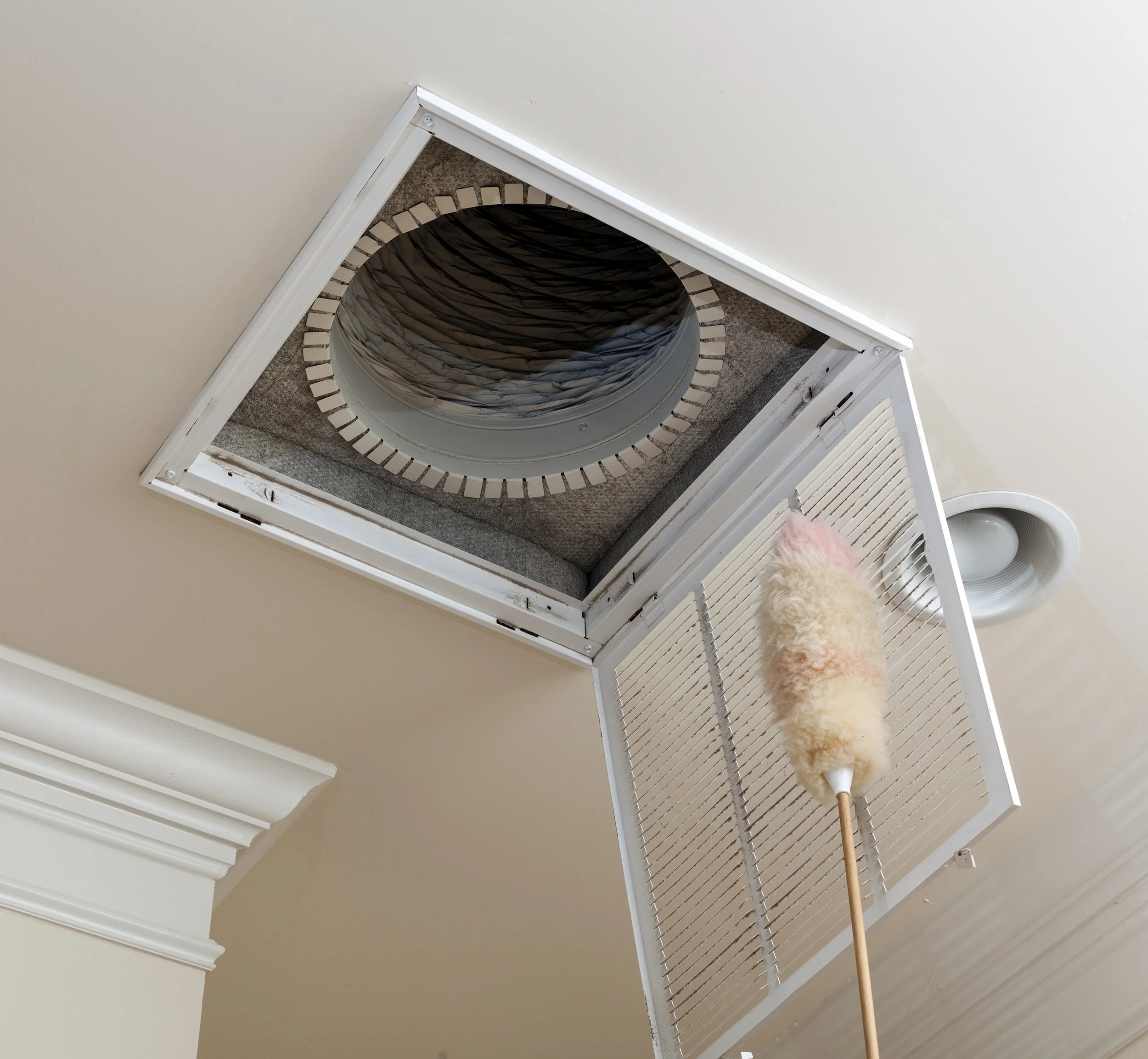
It happens every year across the Philadelphia area: temperatures drop, you flip the thermostat to heat for the first time, and within minutes your house fills with a strange, sometimes alarming smell. Before you panic and call 911, take a breath (preferably near an open window). In most cases, that furnace odor is completely normal — but understanding the difference between "harmless dust burn-off" and "call a technician immediately" could save you money, stress, or even protect your family's safety.
The Most Common Smell: Burning Dust
If you notice a dusty, slightly burning odor the first time your furnace kicks on in the fall, you're experiencing the single most common furnace smell homeowners encounter. Over the spring and summer months — which in Philadelphia can mean four to five months of furnace inactivity — dust, pet hair, and other particles settle on the heat exchanger, burners, and inside the ductwork.
When the furnace fires up and those components get hot, the accumulated dust literally burns off. The result is a musty, slightly acrid smell that can drift through every room connected to your duct system. In Philadelphia's older row homes, where ductwork often runs through tight crawl spaces and unfinished basements, dust accumulation can be especially heavy.
What to do: Open a few windows to ventilate. The smell should dissipate within 30 minutes to an hour. If it lingers beyond a few hours or returns every time the furnace cycles, there may be a deeper issue worth investigating.
Musty or Moldy Smell
Philadelphia's humid summers — we regularly see 70–85% relative humidity from June through September — create ideal conditions for mold and mildew growth inside ductwork and around evaporator coils. When you turn on the furnace, warm air pushes through those ducts and carries the musty odor into your living spaces.
This smell is more than just unpleasant. Mold spores circulating through your HVAC system can aggravate allergies, trigger asthma symptoms, and reduce indoor air quality for everyone in the household. Homes in neighborhoods like Germantown, Manayunk, and other areas near the Schuylkill and Wissahickon tend to have higher ambient moisture levels, making this issue particularly common.
What to do: Replace your air filter immediately. If the musty smell persists, schedule a professional duct inspection. You may need duct cleaning or, in more serious cases, mold remediation around the air handler.
Rotten Egg or Sulfur Smell
This is the one that demands immediate action. Natural gas is odorless in its pure form, so utility companies add a chemical called mercaptan that smells like rotten eggs. If you smell sulfur or rotten eggs when your furnace turns on — or at any other time — it could indicate a gas leak.
⚠️ If You Smell Rotten Eggs or Sulfur
Do not turn on lights, use electrical switches, or light matches. Leave the house immediately with all family members and pets. Once safely outside, call PECO's gas emergency line at 1-800-841-4141 or call 911. Do not re-enter the home until emergency responders have cleared it. Gas leaks are rare but serious — never take chances.
Electrical or Metallic Burning Smell
A sharp, metallic, or electrical burning odor is different from the soft dusty smell described above. This type of smell typically indicates an overheating component — a failing blower motor, a cracked heat exchanger, or damaged wiring. In older Philadelphia homes where furnaces may be 15–20 years old, electrical component degradation is a common finding during seasonal inspections.
What to do: Turn off the furnace at the thermostat and at the breaker panel. Do not restart it. Call an HVAC technician to inspect the system before using it again. Running a furnace with a failing motor or damaged wiring creates a fire risk.
Oily or Smoky Smell
If your home uses an oil furnace — still common in parts of Delaware County, Chester, and some of Philadelphia's older neighborhoods — an oily or smoky smell at startup can indicate a few things:
- Clogged oil filter: Restricts fuel flow and causes incomplete combustion
- Misaligned burner: Creates a smoky, sooty burn
- Cracked heat exchanger: Allows combustion fumes to enter the air supply
- Oil leak: Dripping oil on hot components produces a distinct acrid smell
Any persistent oily smell warrants a service call. Oil furnaces require annual tune-ups to operate safely and efficiently, and the start of heating season is the worst time to discover deferred maintenance.
Chemical or Formaldehyde Smell
A sharp chemical odor, sometimes described as similar to formaldehyde, can come from a cracked heat exchanger. The heat exchanger is the metal barrier that separates combustion gases from the air circulating through your home. When it cracks — due to age, thermal stress, or corrosion — combustion byproducts including carbon monoxide can mix with your home's air supply.
This is a serious safety concern. Carbon monoxide is odorless on its own, but the other combustion gases that escape through a cracked heat exchanger can produce that chemical smell. If your CO detectors are also alarming (and they should be installed on every level of your home), evacuate immediately.
What to do: Shut off the furnace and call for professional inspection. A cracked heat exchanger typically means the furnace needs to be replaced, especially if the unit is more than 15 years old.
How to Minimize First-Startup Smells
While you can't completely prevent the annual dust burn-off, a few proactive steps can reduce the intensity and duration of startup odors:
- Replace your air filter before turning on the heat for the first time. A clean filter traps more particles before they reach the heat exchanger.
- Schedule a fall tune-up. A professional cleaning removes dust and debris from burners, the heat exchanger, and the blower assembly — the three biggest sources of burn-off smell.
- Run the fan only for 15–20 minutes before switching to heat. This circulates air through the ducts and filter, capturing some of the settled dust before it hits hot surfaces.
- Clean your vents and registers. Vacuum floor registers and wipe down wall vents to remove dust that accumulated over summer.
- Check your ductwork. In Philadelphia row homes, ductwork in basements and crawl spaces is often exposed and collects debris. A quick visual inspection can reveal obvious blockages or damage.
When to Call a Professional
The general rule: if a smell is mild and goes away within an hour of the first startup, it's almost certainly harmless dust burn-off. Call a professional if:
- The smell persists beyond a few hours
- The odor returns every time the furnace cycles (not just the first time)
- You smell rotten eggs, sulfur, or strong chemicals
- There's a sharp electrical or metallic burning smell
- Your carbon monoxide detectors are alarming
- You see visible smoke or soot near the furnace
- Family members experience headaches, dizziness, or nausea when the heat is on
At GenServ Pro, we handle furnace inspections and emergency calls throughout Philadelphia, the Main Line, and Delaware County. Our licensed technicians can diagnose odor issues quickly, perform combustion safety testing, and make sure your system is safe to operate before cold weather really sets in.
Concerned About a Furnace Smell? We're Here to Help.
GenServ Pro offers 24/7 emergency service and same-day furnace inspections for homeowners across the Greater Philadelphia area. Don't guess — get a professional diagnosis.