
If you've spent a summer in Philadelphia, you know that heat is only half the battle. It's the humidity that really makes June through September feel unbearable. That sticky, oppressive moisture that fogs your glasses the moment you step outside doesn't stop at your front door — it seeps into your home, affects your comfort, strains your HVAC system, and can even damage your property. A whole-house dehumidifier is one of the smartest investments a Philadelphia homeowner can make, and here's why.
The Philadelphia Humidity Problem
Philadelphia's location along the Delaware River, combined with warm air masses pushing up from the south, creates summer humidity levels that routinely exceed 70–80% outdoors. Even with your AC running, indoor relative humidity can climb to 60% or higher — well above the 30–50% range recommended by the EPA for healthy indoor environments.
This is especially common in older Philadelphia row homes, where original construction didn't account for modern air sealing or moisture control. Homes in neighborhoods like Manayunk, Germantown, Fishtown, and the Main Line suburbs all face the same summer moisture challenges, though the sources may differ — whether it's a damp basement, poor ventilation, or simply the sheer volume of humid outdoor air that infiltrates the home.
Why Your AC Alone Isn't Enough
Your air conditioner does remove some moisture from the air as a byproduct of cooling — you've seen the condensation dripping from your AC unit. But here's the problem: your AC was designed primarily to cool, not dehumidify. When humidity is high but temperatures are moderate (common on Philadelphia spring evenings and overcast summer days), your AC may not run long enough to meaningfully reduce indoor moisture levels.
The result? You feel clammy even though the thermostat reads 72°F, so you crank the AC lower, driving up energy costs without actually solving the comfort problem. An oversized AC unit — surprisingly common in Philadelphia homes — makes this worse by cooling the air too quickly and shutting off before it can adequately dehumidify.
What a Whole-House Dehumidifier Does Differently
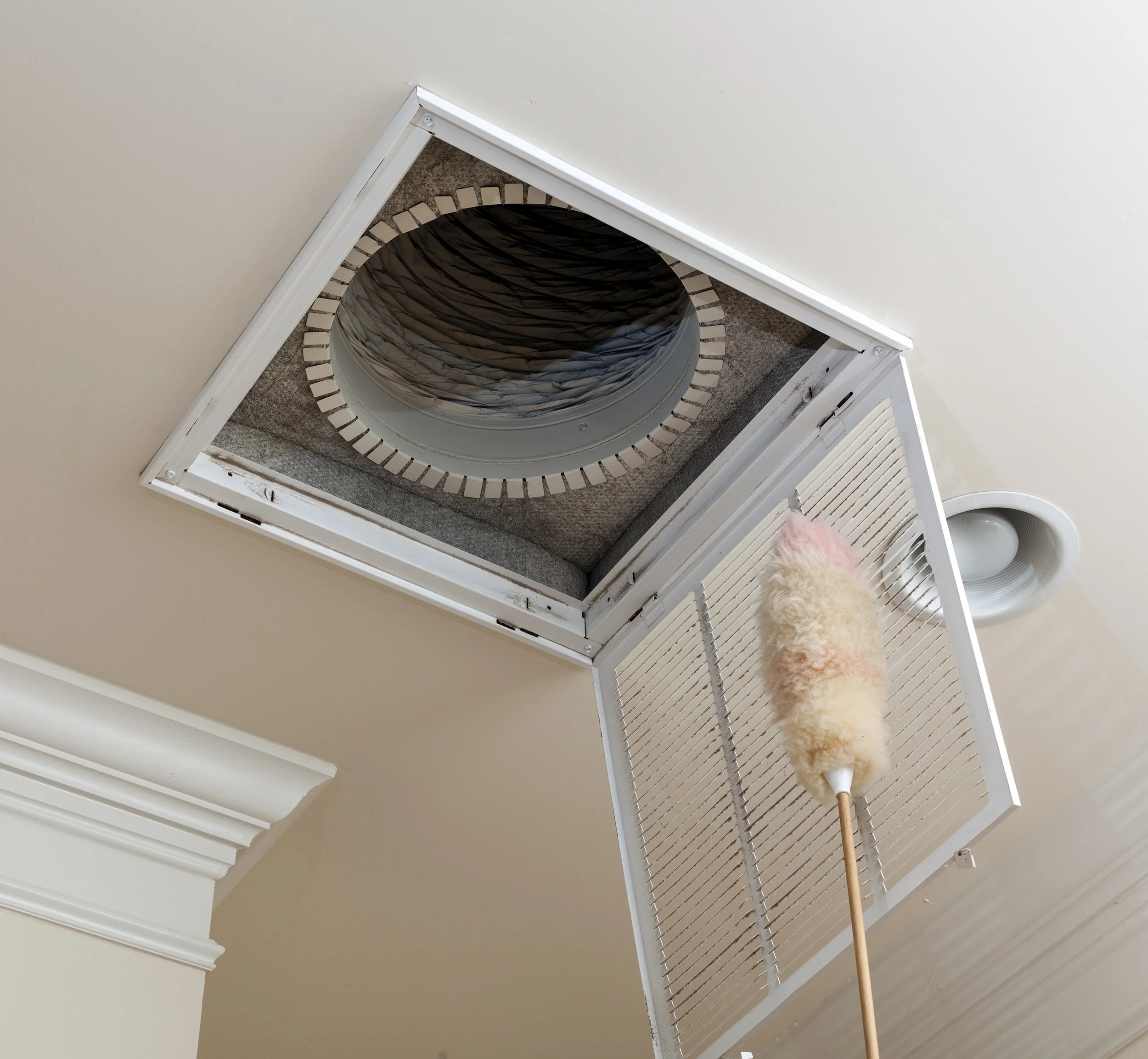
A whole-house dehumidifier integrates directly into your existing HVAC ductwork and works independently of your air conditioner. It pulls air from your home's return ducts, removes moisture, and sends dry air back through the supply ducts — all controlled by a humidistat that you set to your desired humidity level (typically 45–50%).
Unlike portable dehumidifiers that handle a single room and require constant emptying, a whole-house unit covers your entire home and drains directly into your plumbing system. Set it and forget it.
5 Benefits Philadelphia Homeowners Should Know
1. True Comfort at Higher Thermostat Settings
When humidity is controlled, 76°F feels perfectly comfortable instead of clammy. Many homeowners find they can raise their thermostat setting by 3–5 degrees after installing a dehumidifier — and those degrees translate directly to energy savings. The Department of Energy estimates that every degree you raise your thermostat saves about 3% on cooling costs.
2. Protection Against Mold and Mildew
Mold thrives when indoor humidity exceeds 60%. Philadelphia's older homes — with their stone foundations, plaster walls, and limited vapor barriers — are particularly vulnerable. A whole-house dehumidifier keeps humidity consistently below the mold threshold, protecting your family's health and your home's structure. This is especially critical in basements and lower levels of row homes where moisture naturally accumulates.
3. Preserved Hardwood Floors and Woodwork
Philadelphia is known for its beautiful hardwood floors, crown moldings, and historic woodwork. Excess humidity causes wood to swell, warp, and cup. Over time, the repeated expansion and contraction from seasonal humidity swings can permanently damage flooring and trim. Maintaining consistent indoor humidity protects these valuable features of your home.
4. Reduced Allergens and Improved Air Quality
Dust mites — one of the most common indoor allergens — thrive in humid environments. Keeping indoor humidity below 50% significantly reduces dust mite populations. Combined with Philadelphia's notorious pollen seasons (we consistently rank among the worst allergy cities in the country), controlling indoor humidity is a meaningful step toward healthier air for your family.
5. Lower Energy Bills
This might seem counterintuitive — adding another appliance to save energy? But the math works. A whole-house dehumidifier uses about 500–700 watts, while the energy savings from raising your thermostat and reducing AC runtime typically exceed that cost. Most Philadelphia homeowners see a net reduction in summer energy bills after installation.
Signs Your Home Has a Humidity Problem
Not sure if you need a dehumidifier? Watch for these indicators:
- Condensation on windows, especially in the morning
- A musty smell in the basement or lower levels
- Visible mold or mildew on walls, ceilings, or in closets
- Hardwood floors that feel sticky or show cupping
- Worsening allergy or asthma symptoms indoors
- Your AC runs constantly but the house still feels clammy
- Peeling wallpaper or bubbling paint
If you're experiencing two or more of these, a whole-house dehumidifier is worth serious consideration.
Whole-House vs. Portable Dehumidifiers
Portable dehumidifiers have their place — they're affordable and work well for a single problem area like a damp basement corner. But for whole-home humidity control, they fall short:
- Coverage: A portable unit handles 500–1,500 sq ft at best. A whole-house unit covers your entire home through the ductwork.
- Maintenance: Portables require frequent tank emptying (or hose routing). Whole-house units drain automatically.
- Noise: Portable units sit in your living space and generate noticeable noise. A whole-house unit operates quietly within your HVAC system.
- Efficiency: Whole-house units are significantly more energy-efficient per pint of moisture removed.
- Consistency: A humidistat-controlled whole-house system maintains precise humidity levels automatically. Portables cycle on and off based on local conditions in one room.
Installation: What to Expect
A whole-house dehumidifier installation typically takes a half day to a full day, depending on your existing ductwork configuration. The unit is mounted near your air handler or furnace, connected to your duct system, and plumbed to a drain line. A GenServ Pro HVAC technician will assess your home's size, layout, and humidity patterns to recommend the right capacity unit — typically rated in pints per day (most Philadelphia homes need 70–100 pint capacity).
Installation costs vary based on complexity, but most homeowners find it's a straightforward addition to an existing HVAC system. If you're also planning an AC replacement or upgrade this summer, it's the ideal time to add a dehumidifier — the installation can be combined for maximum efficiency and minimum disruption.
The Best Time to Install Is Now
May is the sweet spot for dehumidifier installation in the Philadelphia area. Humidity levels are starting to climb but haven't hit their July–August peak yet, HVAC technicians aren't yet buried in emergency AC repair calls, and you'll have the system dialed in and running before the first truly oppressive heat wave arrives. Waiting until mid-summer often means longer scheduling delays and suffering through the worst humidity weeks without protection.
Ready to Take Control of Your Home's Humidity?
GenServ Pro installs whole-house dehumidifiers throughout Philadelphia, the Main Line, and Delaware County. Our HVAC technicians will evaluate your home and recommend the right solution for your comfort and budget.