
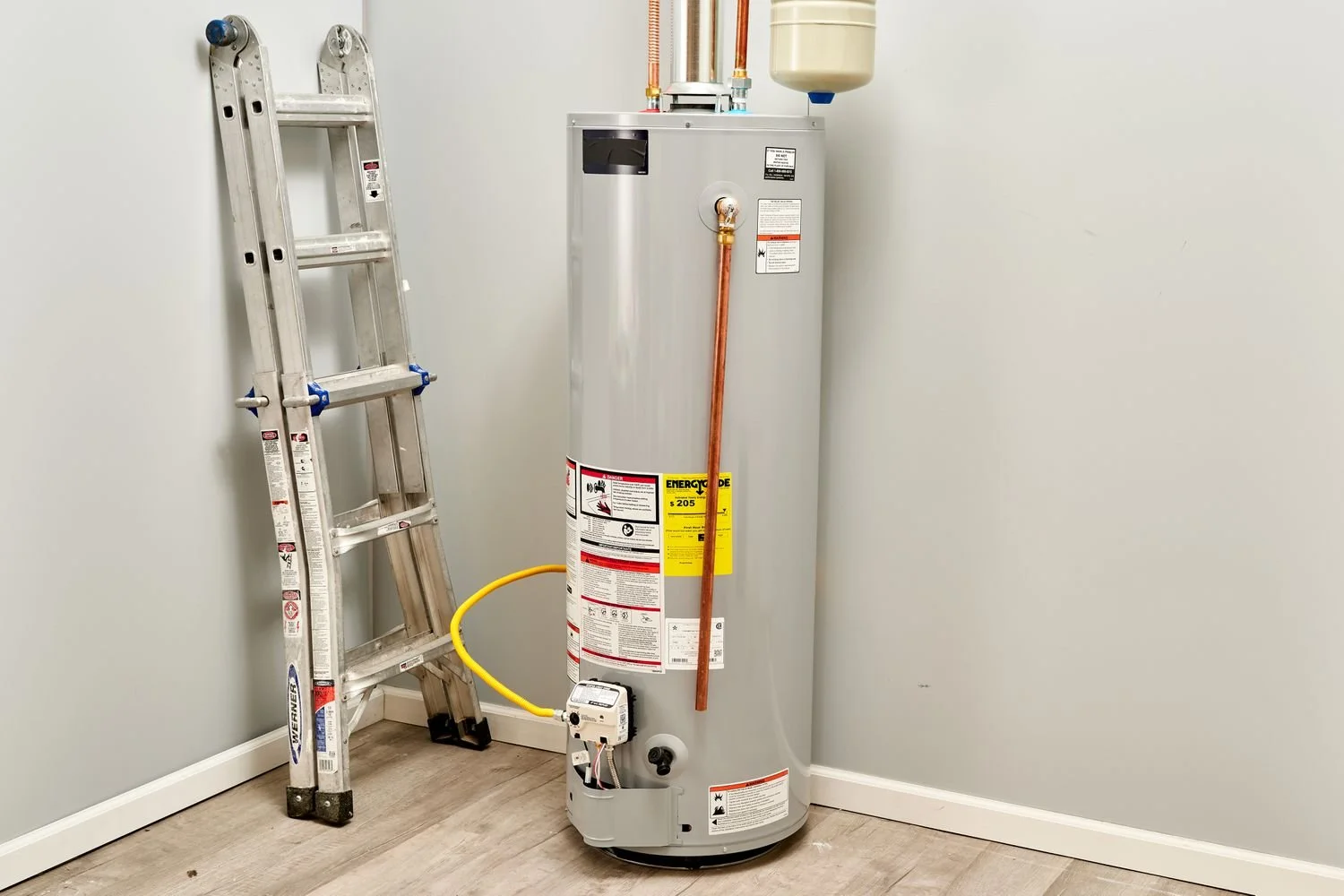
Your water heater works quietly in the background every single day — heating water for showers, dishes, laundry, and more. Like most home appliances, it will show warning signs before it fails completely. Recognizing them early can save you from an unexpected cold shower and potentially thousands of dollars in water damage from a tank that fails catastrophically.
1. Inconsistent Water Temperature
If your water fluctuates unpredictably between hot and cold, or if you can no longer get water as hot as you used to, your heating elements (electric) or gas burner may be failing. This is often an early warning sign that repair or replacement is needed.
2. Unusual Noises Coming from the Tank
A healthy water heater operates almost silently. Popping, crackling, rumbling, or banging sounds typically indicate sediment buildup on the bottom of the tank. This sediment forces the heating element to work harder, reduces efficiency, and can physically damage the tank over time.
3. Rusty or Discolored Hot Water
If hot water from your taps appears brown, orange, or has a metallic taste, internal corrosion may be the culprit. This is a serious sign — once a tank begins to corrode from the inside, it's typically time to replace rather than repair. (Note: if both hot and cold water are discolored, the issue is likely in your pipes, not the water heater.)
4. Visible Moisture or Pooling Water
Any water around the base of your water heater requires immediate attention. Small leaks can become major flooding quickly. Before calling, check that the leak isn't coming from a fitting or pressure relief valve — those can often be replaced without replacing the whole unit.
5. Running Out of Hot Water Faster Than Usual
If your once-reliable tank can no longer keep up with your household's demands, sediment buildup may have reduced the effective capacity of the tank, or a heating element may be failing. This is a quality-of-life issue that only gets worse over time.
6. Spiking Energy Bills
An aging or failing water heater has to work harder to heat the same amount of water, consuming more gas or electricity in the process. If your utility bills have crept up without a corresponding change in usage, your water heater deserves a look.
7. The Unit is More Than 10–12 Years Old
Traditional tank water heaters have a typical lifespan of 8–12 years, with proper maintenance potentially extending that to 15 years. Find the age of your unit by locating the serial number on the label — the first two digits typically indicate the year of manufacture. If your unit is approaching or past this range, proactive replacement is almost always wiser than emergency replacement.
Repair vs. Replace: The Rule of Thumb
If your water heater is less than 7 years old and the repair cost is less than 50% of a new unit's price, repair usually makes sense. If it's older or the repair is expensive, replacement is typically the smarter investment — especially with today's high-efficiency options that can cut water heating costs by 20–30%.
Modern Water Heater Options
When it is time to replace, you have more options than ever. Tankless (on-demand) water heaters provide endless hot water and are more energy-efficient. Hybrid heat pump water heaters can reduce water heating costs by up to 70%. GenServ Pro can walk you through which option makes the most sense for your home's size, budget, and existing infrastructure.
Need Water Heater Service?
Don't wait for a complete breakdown. GenServ Pro offers professional water heater repair and replacement throughout Philadelphia and the Main Line.