
If you're a Philadelphia homeowner thinking about renovations, one question looms larger than any other: will I get my money back? Whether you're planning to sell in the next few years or simply want to build long-term equity, understanding which improvements deliver the best return on investment (ROI) is essential. Not every upgrade adds equal value — and in Philadelphia's unique housing market, some improvements consistently outperform others.
We've worked on hundreds of homes across Philadelphia, the Main Line, and Delaware County. Based on our experience and national remodeling data adapted for the local market, here are the top five home improvements that deliver the strongest ROI for Philadelphia homeowners in 2026.
1. Minor Kitchen Remodel (ROI: 75–85%)
Notice the word "minor." A full gut renovation with imported marble countertops and commercial-grade appliances might make your kitchen Instagram-worthy, but it rarely pays for itself at resale. A minor kitchen remodel, on the other hand, is one of the most reliable investments you can make.
What does a minor kitchen remodel look like?
- Refacing or painting existing cabinets instead of replacing them entirely
- Upgrading to mid-range countertops (quartz or butcher block)
- Replacing outdated appliances with energy-efficient models
- Installing a new sink and faucet
- Updating lighting fixtures and hardware
- Fresh paint and new flooring
In Philadelphia's market — especially in neighborhoods like Fishtown, Graduate Hospital, and Manayunk where row home kitchens tend to be compact — a thoughtful minor remodel can run $25,000–$40,000 and add significant appeal to buyers. The key is modernizing without over-improving for the neighborhood.
2. Bathroom Renovation (ROI: 65–80%)
Bathrooms sell homes. It's one of the first rooms buyers scrutinize, and an outdated bathroom with cracked tile, a leaking toilet, or a rusted-out tub can tank a sale. In many of Philadelphia's older row homes — particularly in neighborhoods like South Philly, Kensington, and West Philadelphia — bathrooms haven't been touched since the 1970s or earlier.
A mid-range bathroom renovation typically includes:
- Replacing the vanity, toilet, and tub/shower
- New tile flooring and wall surround
- Updated plumbing fixtures (faucets, showerhead)
- Improved ventilation with a quality exhaust fan
- Modern lighting and a new mirror
For Philadelphia homeowners, there's an added benefit: many older homes have outdated plumbing that's prone to leaks and corrosion. A bathroom renovation gives you the opportunity to address hidden plumbing issues — galvanized pipes, deteriorating supply lines, and worn-out shut-off valves — before they become emergencies. That's not just ROI at resale; it's peace of mind while you're living there.
Pro Tip: Address the Plumbing First
Before investing in cosmetic upgrades, have a licensed plumber inspect your supply lines, drain pipes, and shut-off valves. In many Philadelphia homes built before 1960, there's hidden plumbing deterioration behind walls that's better (and cheaper) to address during a renovation than after one. GenServ Pro includes a plumbing assessment with every bathroom remodel consultation.
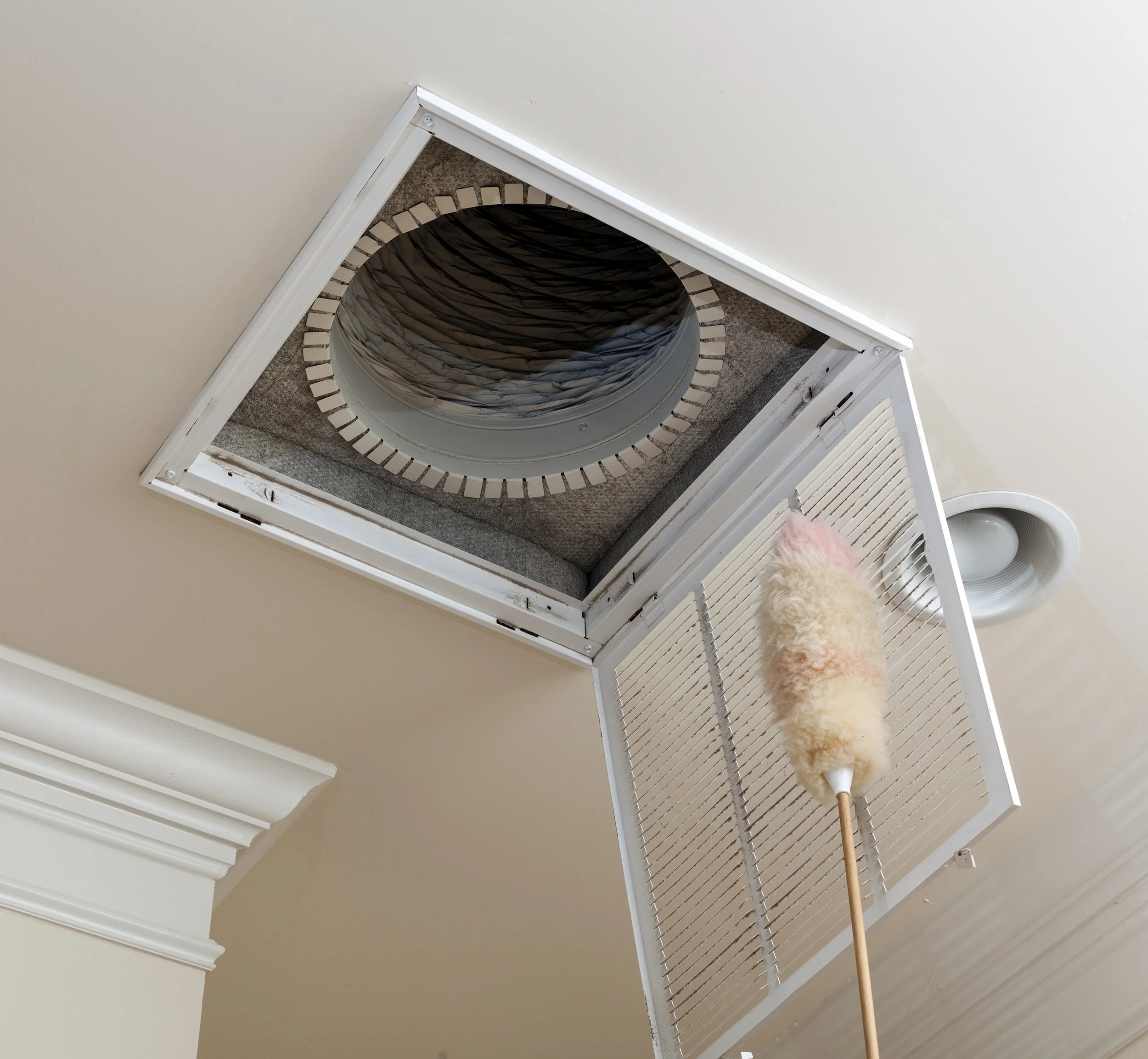
3. HVAC System Upgrade (ROI: 60–75%)
This one surprises a lot of homeowners. A new HVAC system isn't as "visible" as a kitchen or bathroom, so people assume it doesn't add value. They're wrong. In Philadelphia's climate — with humid summers hitting the 90s and winters regularly dropping into the teens — a reliable, efficient HVAC system is a major selling point.
Here's why HVAC upgrades deliver strong ROI:
- Energy savings: A modern high-efficiency furnace or heat pump can cut heating and cooling costs by 20–40% compared to a 15-year-old system
- Buyer confidence: A new HVAC system means the buyer won't face a $5,000–$12,000 replacement in the first few years
- Home inspection advantage: An aging HVAC system is one of the most common red flags on home inspections
- Comfort: Consistent temperatures, better humidity control, and quieter operation
For Philadelphia row homes specifically, ductless mini-split systems have become a game-changer. Many row homes lack ductwork entirely or have inadequate duct systems. A ductless mini-split provides zoned heating and cooling without the expense of installing new ductwork — and buyers love the room-by-room control.
4. Water Heater Replacement (ROI: 60–70%)
A water heater doesn't have the glamour of a kitchen remodel, but it's one of the most cost-effective upgrades you can make. The average tank water heater lasts 8–12 years, and many Philadelphia homes are running on units well past their prime — inefficient, prone to leaks, and one bad day away from flooding the basement.
Your options in 2026:
- Standard tank water heater: $1,200–$2,500 installed. Reliable and affordable.
- Tankless water heater: $3,000–$5,500 installed. Endless hot water, 20+ year lifespan, and energy savings of 24–34%.
- Heat pump water heater: $2,500–$4,500 installed. The most energy-efficient option, eligible for federal tax credits through 2032.
For resale, any new water heater is a win. But if you're staying in your home for five or more years, a tankless or heat pump model pays dividends through lower monthly utility bills. And in Philadelphia's tight row homes, a wall-mounted tankless unit frees up valuable floor space in the basement or utility closet.
5. Basement Finishing (ROI: 55–70%)
Philadelphia's housing stock is heavy on row homes, twins, and older colonials — many of which have unfinished basements that represent hundreds of square feet of untapped potential. Finishing a basement effectively adds livable square footage to your home at a fraction of the cost of building an addition.
A smart basement finish for ROI includes:
- Waterproofing and moisture management (essential in Philadelphia's clay-heavy soil)
- Proper insulation and vapor barriers
- Flooring that handles potential moisture (luxury vinyl plank is the go-to)
- Adequate lighting — recessed LEDs brighten a below-grade space
- A half or full bathroom if plumbing allows (this significantly boosts value)
- Egress window if you're creating a bedroom (required by code in PA)
The critical factor with basement finishing is doing it right the first time. A poorly waterproofed basement will develop mold, musty smells, and water damage that destroys your investment. In Philadelphia — where many neighborhoods deal with high water tables and aging stormwater infrastructure — waterproofing isn't optional. It's the foundation (literally) of a successful basement project.
What About Curb Appeal?
Garage door replacement, new entry doors, and fiber cement siding replacement also deliver excellent ROI nationally. However, for many Philadelphia row homes, these improvements are either not applicable (no garage) or limited by the home's footprint. Focus your budget on the interior improvements that make the biggest difference in how the home lives day-to-day — that's what Philadelphia buyers respond to.
Making Smart Renovation Decisions
The common thread across all five of these improvements is that they address fundamentals: functionality, efficiency, and comfort. Philadelphia buyers — whether they're first-timers in Brewerytown or move-up buyers on the Main Line — consistently pay more for homes where the essential systems work well and the key rooms are updated.
A few principles to keep in mind:
- Don't over-improve for your neighborhood. A $100,000 kitchen in a $300,000 neighborhood won't recoup. Match your upgrades to local comps.
- Address mechanical systems first. Plumbing, HVAC, and electrical upgrades are less exciting but prevent costly surprises during home inspections.
- Hire licensed contractors. Pennsylvania requires a Home Improvement Contractor (HIC) license. Unlicensed work can void insurance, create liability, and reduce your home's value.
- Get permits when required. Unpermitted work is a red flag for buyers and can complicate a sale.
Planning a Home Improvement? Let's Talk ROI.
GenServ Pro handles plumbing, HVAC, and construction projects across Philadelphia, the Main Line, and Delaware County. We'll help you prioritize the upgrades that make the biggest impact — for your comfort today and your home's value tomorrow.