
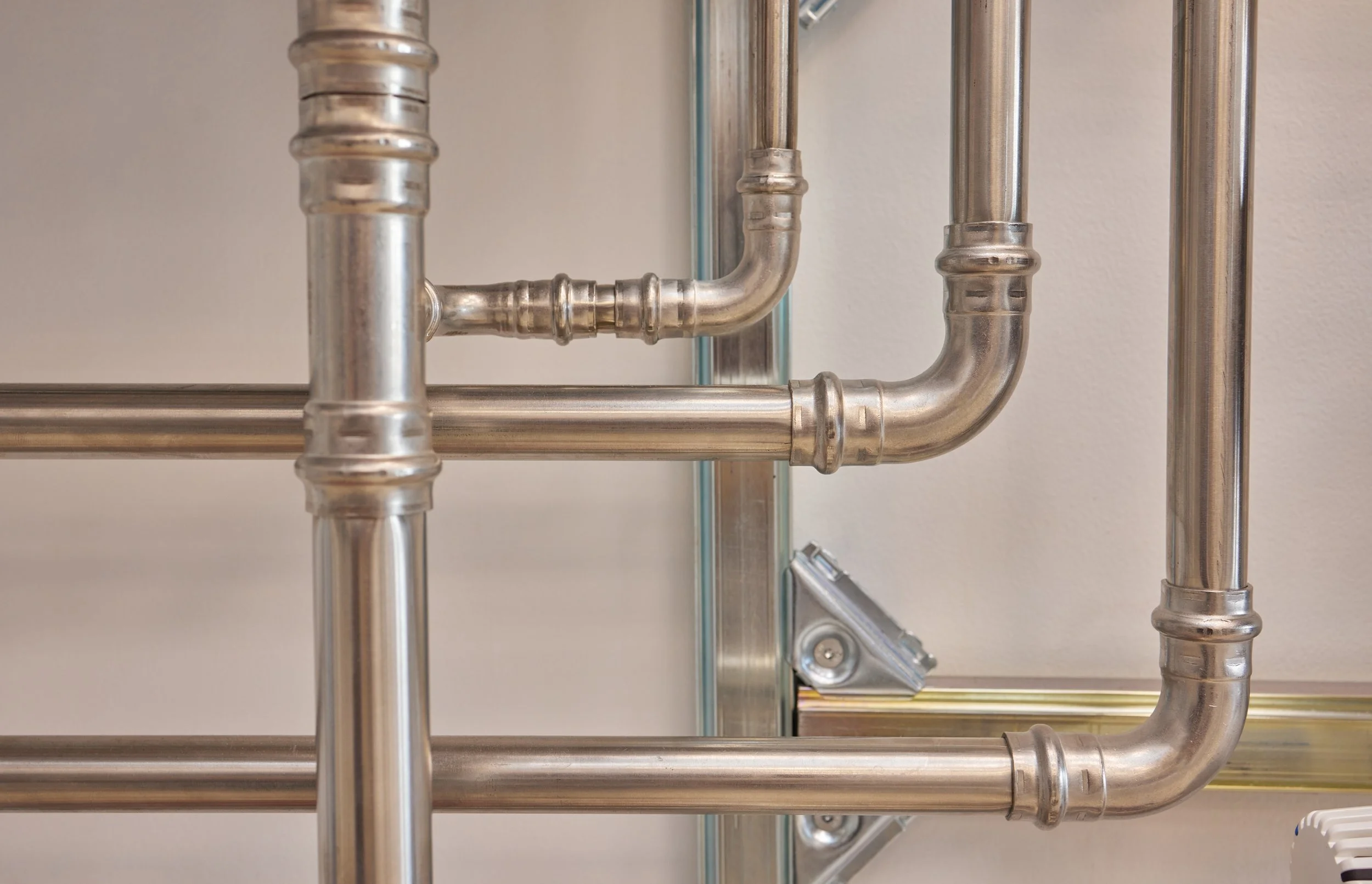
A burst pipe from freezing is one of the most expensive plumbing emergencies a homeowner can face. Insurance companies estimate the average claim for water damage from a frozen pipe burst exceeds $15,000 — and that doesn't count the weeks of inconvenience during repairs. In the Philadelphia and Delaware Valley area, where temperatures can dip well below 20°F during January cold snaps, understanding how to protect your pipes is essential.
Which Pipes Are Most at Risk?
Not all pipes freeze equally. The most vulnerable pipes are those in:
- Exterior walls (especially in older Philadelphia rowhouses with insufficient insulation)
- Unheated crawl spaces, garages, and attics
- Basement areas near exterior foundation walls
- Near garage doors, especially in attached garages
- Any area where cold drafts can reach supply lines
Pipes freeze when the water inside them reaches 32°F — but with moving water and the insulation provided by surrounding material, this typically doesn't happen to interior pipes until outside temps drop well below 20°F. Pipes in exposed areas are at risk at temperatures just below freezing.
Before the Cold: Preventive Actions
Take these steps in October and November before serious cold arrives:
- Insulate vulnerable pipes — Foam pipe insulation is inexpensive and takes less than an hour to install. Focus on pipes in exterior walls, crawl spaces, and unheated areas.
- Seal air leaks near pipes — Use caulk or spray foam to seal gaps around pipes where they pass through exterior walls. Cold drafts are the #1 cause of pipe freezing.
- Disconnect and drain garden hoses — An attached hose can cause a hose bib to freeze even if it has a frost-free shutoff. Remove and store hoses in November.
- Know where your main shutoff is — In a pipe emergency, shutting off water quickly is critical. Make sure every adult in the household knows where the main shutoff valve is and that it actually turns easily.
During a Cold Snap: What to Do
When a serious cold front is forecast (below 20°F):
- Let faucets connected to vulnerable pipes drip slowly — moving water resists freezing.
- Open cabinet doors under kitchen and bathroom sinks on exterior walls to allow warm air to circulate.
- Keep your thermostat set to at least 55°F, even if the house is vacant. Never turn heat off entirely during winter.
- If you have a crawl space with vents, close them during extreme cold spells (but remember to reopen them in spring).
Going on Vacation? Extra Precautions
An empty, unheated home is a frozen pipe waiting to happen. Before leaving for winter travel: set the thermostat no lower than 55°F, ask a trusted neighbor to check daily, consider turning off the main water supply and draining the system if you'll be gone more than a week, and install a Wi-Fi enabled temperature sensor that alerts your phone if the house drops below a safe temperature.
If You Suspect a Pipe is Frozen
Signs of a frozen pipe include: no water flow from a faucet during cold weather, frost visible on visible pipe sections, and bulging or discoloration on pipes. If you suspect freezing:
- Keep the faucet open — as the pipe thaws, water needs somewhere to go.
- Apply heat carefully using a hair dryer, heating pad, or warm wet towels. Work from the faucet end toward the frozen section.
- Never use an open flame — torches near pipes can cause fires and are the leading cause of house fires from plumbing work.
- If you can't locate or access the frozen section, or if you're not comfortable with the process, call us.
After a Freeze: Watch for Signs of Damage
A pipe that froze may not immediately show damage — the leak may not appear until it thaws and water pressure returns. After a cold snap, inspect visible pipes carefully, check under sinks and in the basement, and monitor your water bill for unexplained increases. A spike in water usage can indicate a hidden leak from a pipe that cracked during freezing.
Frozen Pipe Emergency? Call Now.
GenServ Pro provides 24/7 emergency plumbing service throughout Philadelphia and the Delaware Valley. Don't let a frozen pipe become a flooded basement.