
A home addition is one of the most exciting — and most expensive — projects a Philadelphia homeowner can take on. Whether you're adding a bedroom to accommodate a growing family, expanding your kitchen, or building out a sunroom to take advantage of your Delco backyard, the goal is the same: more space, more comfort, and more value in your home. The challenge? Keeping the project on budget.
According to industry data, home additions in the Philadelphia metro area typically run between $150 and $300 per square foot, depending on the complexity and finishes involved. A modest 200-square-foot addition can easily cost $40,000 to $60,000, and larger projects can climb well past six figures. The good news is that budget overruns aren't inevitable — they're preventable. Here's how to plan your home addition the right way.
1. Define Your Scope Before You Get Quotes
The single biggest driver of budget overruns is scope creep — adding features, changing plans, or upgrading finishes mid-project. Before you contact a single contractor, sit down and define exactly what you want:
- What rooms are you adding? Be specific: a 12×14 bedroom with one closet and one window, not just "a bedroom."
- What's the finish level? Builder-grade fixtures and laminate countertops, or custom tile and quartz? The gap between these can be 40–60% of your total budget.
- Does the addition require new plumbing or HVAC? Adding a bathroom or extending ductwork to a new room significantly affects cost.
- Are you changing the roofline? A bump-out under the existing roof is far less expensive than a new roof structure.
Write it all down. The more detailed your scope document, the more accurate your quotes will be — and the harder it is for costs to drift.
2. Understand Philadelphia-Area Permit Requirements
In Philadelphia and the surrounding counties — Delaware County, Montgomery County, Chester County — any structural addition requires building permits. Depending on the scope, you may also need electrical, plumbing, and mechanical permits. In some municipalities along the Main Line, zoning variances are required if your addition changes the footprint or height of the structure.
Permit costs in the Philadelphia area typically range from $500 to $3,000 depending on the scope and municipality. Factor this into your budget from day one. Skipping permits isn't just illegal — it can create serious problems when you try to sell your home, and your homeowner's insurance may not cover unpermitted work.
Don't Forget the Mechanical Systems
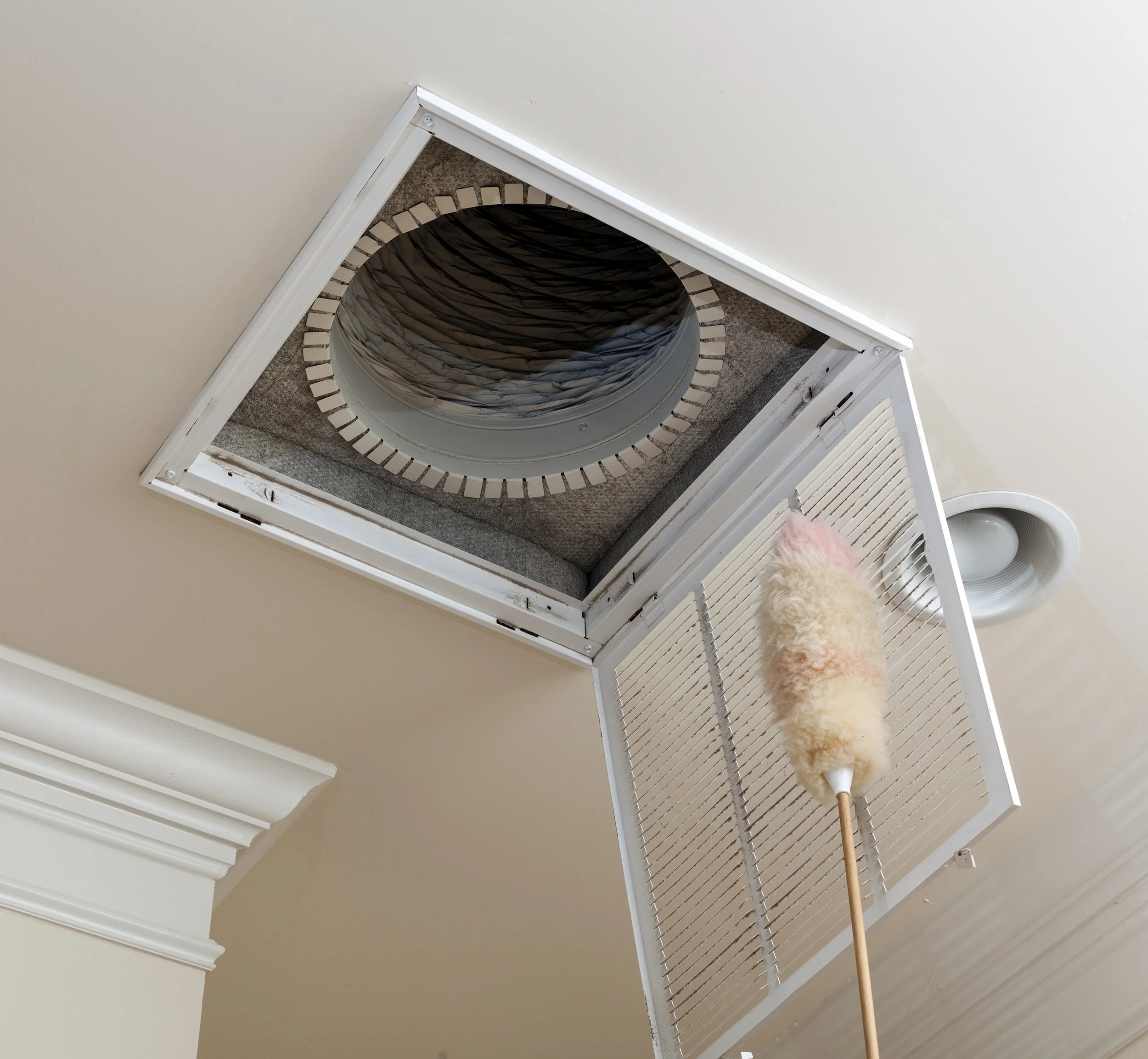
One of the most commonly underbudgeted items in a home addition is the HVAC extension. Your existing furnace or AC system may not have the capacity to heat and cool additional square footage. A load calculation (Manual J) should be performed before construction begins to determine whether your current system can handle the addition or if upgrades are needed. GenServ Pro can perform this assessment as part of your planning process.
3. Get at Least Three Detailed Quotes
Don't just get three prices — get three detailed quotes. A good quote should break down costs by category: demolition, foundation, framing, electrical, plumbing, HVAC, insulation, drywall, flooring, fixtures, and finish work. When quotes are itemized, you can compare apples to apples and identify where one contractor might be significantly higher or lower than the others.
Be wary of any quote that's dramatically lower than the rest. In the Philadelphia construction market, lowball bids often mean the contractor is cutting corners, underestimating the scope, or planning to make up the difference with change orders.
4. Build a Contingency Fund (and Don't Touch It)
Every experienced contractor will tell you the same thing: set aside 10–15% of your total budget as a contingency fund. In older Philadelphia homes — especially row homes in neighborhoods like Fishtown, Manayunk, or South Philly — surprises are practically guaranteed. You might uncover knob-and-tube wiring, asbestos insulation, outdated plumbing, or structural issues that weren't visible until walls were opened.
Your contingency fund is there for genuine surprises, not upgrades. If you decide mid-project that you want heated floors instead of standard tile, that comes out of a separate discretionary budget — not your contingency.
5. Sequence Your Trades Efficiently
A well-managed construction schedule saves money. When trades overlap or are poorly sequenced, you pay for idle time, rework, and delays. The typical sequence for a home addition looks like this:
- Foundation and structural work
- Framing and roofing
- Rough-in: electrical, plumbing, HVAC ductwork
- Insulation and vapor barriers
- Drywall and interior finishing
- Flooring, fixtures, and trim
- Final mechanical connections and inspections
Working with a general contractor who coordinates all trades — including plumbing and HVAC — under one roof eliminates finger-pointing and scheduling conflicts. That's one of the advantages of working with a full-service company like GenServ Pro: we handle the plumbing, HVAC, and construction coordination ourselves.
6. Choose Materials Wisely
Material costs can vary enormously, and you don't always get proportional value from the most expensive options. Some smart strategies for Philadelphia-area additions:
- Splurge where it matters: Quality windows, proper insulation, and a well-sized HVAC system pay for themselves in energy savings and comfort.
- Save where you can: Builder-grade interior doors, standard trim profiles, and mid-range lighting fixtures look great and cost a fraction of custom options.
- Buy local when possible: Philadelphia has excellent building supply houses that often beat big-box pricing on quality materials, especially for tile, hardwood, and cabinetry.
7. Plan for Energy Efficiency From the Start
A home addition is the perfect opportunity to upgrade your home's energy performance. New construction must meet current energy codes, which are significantly more stringent than what your original home was built to. Take advantage of this:
- Insulate to or above current code requirements
- Install high-efficiency windows (double-pane minimum, Low-E coating)
- Consider a ductless mini-split for the new space if extending existing ductwork is impractical
- Add a programmable or smart thermostat zone for the new area
These investments add modest upfront cost but reduce your energy bills for decades — and they increase your home's resale value.
8. Verify Your Contractor's Credentials
Pennsylvania requires a Home Improvement Contractor (HIC) license for any residential construction work over $500. Before signing any contract, verify that your contractor holds a valid PA HIC license, carries general liability insurance and workers' compensation coverage, and can provide references from recent local projects. GenServ Pro is fully licensed (PA HIC # PA 056854), insured, and has a 4.9-star rating from homeowners across the Philadelphia area.
Planning a Home Addition? Let's Talk.
GenServ Pro handles plumbing, HVAC, and construction for home additions across Philadelphia, the Main Line, and Delaware County. From initial planning and load calculations to final inspections, we keep your project on time and on budget.