
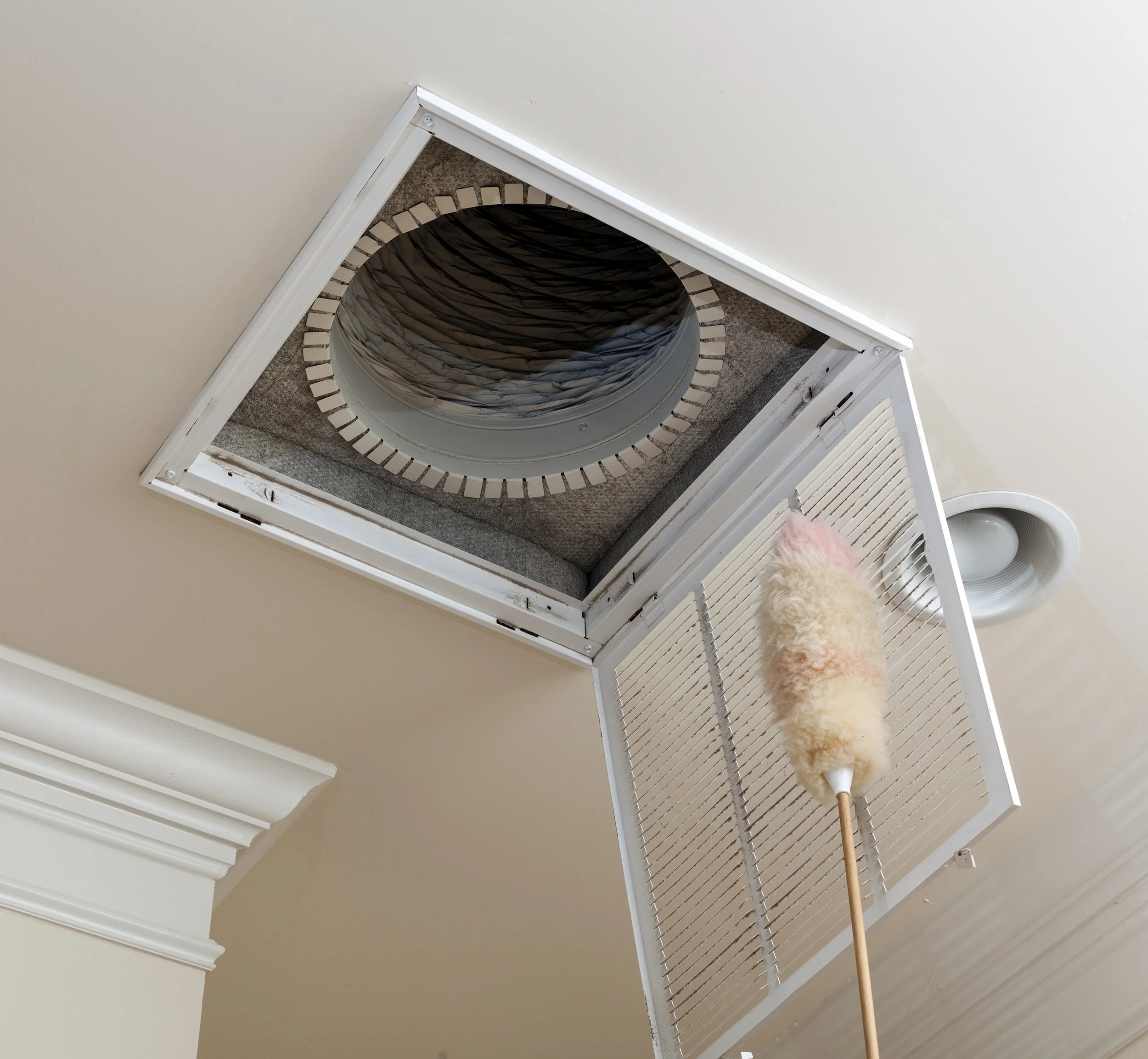
If you live in the Philadelphia area, you already know: allergy season is no joke. The Delaware Valley consistently ranks among the worst regions in the country for seasonal allergies, thanks to a combination of tree pollen in spring, grass pollen in early summer, and ragweed in fall. For many homeowners from Center City to the Main Line, the misery starts in late March and doesn't let up until the first hard frost.
What most people don't realize is that your HVAC system plays a critical role in either relieving or worsening your indoor allergy symptoms. A well-maintained system acts as a whole-home air purifier, filtering out pollen, dust mites, pet dander, and mold spores before they circulate through your living spaces. A neglected system? It can actually spread those allergens from room to room.
Here's how to get your HVAC system working for you this allergy season — not against you.
1. Upgrade Your Air Filter (This Is the Single Biggest Win)
The standard 1-inch fiberglass filter that comes with most HVAC systems captures only the largest particles — think lint and large dust bunnies. It does almost nothing for pollen, mold spores, or pet dander, which are the allergens that actually make you miserable.
For allergy relief, you want a filter with a MERV rating of 11–13. These pleated filters capture particles as small as 1.0 micron, which includes most pollen, dust mite debris, and mold spores. Some key considerations:
- MERV 11: Good for general allergy relief — captures most pollen and dust
- MERV 13: Excellent — captures bacteria, smoke particles, and finer allergens
- MERV 16+/HEPA: Hospital-grade, but most residential systems can't handle the airflow restriction without modification
- Change every 30–60 days during peak allergy season (April through June in Philly), not the usual 90 days
One important note: jumping to a very high MERV filter without checking your system's compatibility can restrict airflow, strain the blower motor, and actually reduce efficiency. If you're unsure what your system can handle, a GenServ Pro technician can measure static pressure and recommend the right filter for your setup.
2. Schedule a Professional Duct Cleaning
Your ductwork is the highway system for air in your home. Over the years, it accumulates dust, pollen, pet hair, mold, and even pest droppings — especially in older Philadelphia row homes and Main Line colonials where ductwork may not have been cleaned in decades.
Every time your system cycles on, it pushes air through those ducts and distributes whatever is inside them throughout your home. If you've noticed that allergy symptoms are worse when the HVAC is running, dirty ductwork is a likely culprit.
The National Air Duct Cleaners Association (NADCA) recommends cleaning every 3–5 years, but if anyone in your household suffers from asthma or severe allergies, more frequent cleaning makes sense. Spring — right before you start running the AC daily — is the ideal time.
3. Check for Mold in Your HVAC System
Philadelphia's humid summers create perfect conditions for mold growth inside HVAC systems, particularly around the evaporator coil, drain pan, and inside ductwork. Mold spores are a major allergen and can trigger serious respiratory issues.
Warning signs of mold in your HVAC system include:
- A musty or earthy smell when the system runs
- Visible mold around vents or registers
- Allergy symptoms that worsen when the HVAC cycles on
- Standing water in or around the indoor unit
- A clogged condensate drain line
If you suspect mold, don't try to clean it yourself with household products — HVAC mold remediation requires proper treatment of the coil, drain pan, and potentially the ductwork. A professional inspection can identify the source and eliminate it properly.
Did You Know? Philadelphia Ranks in the Top 30 for Worst Allergy Cities
The Asthma and Allergy Foundation of America consistently ranks Philadelphia among the most challenging cities for allergy sufferers. Our mix of urban pollution, tree-dense suburbs, and humid summers creates a trifecta of allergen exposure. Optimizing your indoor environment through your HVAC system is one of the most effective steps you can take.
4. Consider a Whole-Home Air Purification System
If upgrading your filter and cleaning your ducts isn't enough — or if someone in your household has severe allergies or asthma — a whole-home air purification system can make a dramatic difference. Unlike portable room purifiers, these systems integrate directly into your HVAC and treat every cubic foot of air that passes through.
The most effective options include:
- UV Germicidal Lights: Installed in the air handler near the evaporator coil, these kill mold, bacteria, and viruses on contact. They're particularly effective at preventing mold growth on the coil itself.
- Electronic Air Cleaners: These use an electrical charge to capture particles far smaller than what a standard filter can catch, including fine pollen and smoke.
- HEPA Bypass Systems: A HEPA filter installed in a bypass configuration alongside your main ductwork, allowing hospital-grade filtration without restricting your system's airflow.
GenServ Pro can evaluate your existing system and recommend the air purification solution that makes the most sense for your home layout, HVAC configuration, and budget.
5. Seal Your Ductwork to Keep Allergens Out
Leaky ductwork doesn't just waste energy — it actively pulls unfiltered air from attics, crawl spaces, and wall cavities into your living spaces. That unfiltered air carries dust, insulation fibers, mold spores, and whatever else is lurking in those unconditioned spaces.
Studies show that the average home loses 20–30% of conditioned air through duct leaks. In older Philadelphia homes — especially those built before the 1970s — duct connections may have loosened over decades, tape may have deteriorated, and joints that were never properly sealed in the first place can be significant sources of contamination.
Professional duct sealing (using mastic sealant or aerosol-based sealing systems) closes those gaps, keeping filtered air in and unfiltered air out. The bonus? You'll likely see a noticeable drop in your energy bills too.
6. Control Indoor Humidity
Dust mites and mold — two of the most common indoor allergens — thrive in humid environments. Philadelphia summers regularly push outdoor humidity above 70%, and without proper management, your indoor humidity can climb right along with it.
Your air conditioner naturally dehumidifies as it cools, but it's not always enough during the muggiest stretches of a Philly summer. If your indoor humidity regularly exceeds 50%, consider:
- A whole-home dehumidifier integrated into your HVAC system for consistent control
- Running the fan in "auto" mode rather than "on" — continuous fan operation can re-evaporate moisture from the coil back into your air
- Ensuring your AC is properly sized — an oversized unit cools quickly but doesn't run long enough to dehumidify effectively
7. Create a Spring HVAC Allergy Checklist
Here's a quick-reference checklist to prepare your system before peak allergy season hits Philadelphia:
- Replace your air filter with a MERV 11–13 rated filter
- Schedule a professional AC tune-up and coil cleaning
- Have ductwork inspected and cleaned if it's been 3+ years
- Check condensate drain line for clogs (prevents mold growth)
- Inspect ductwork for leaks, especially in unconditioned spaces
- Set thermostat fan to "auto" (not "on") for better dehumidification
- Consider UV lights or a whole-home air purifier for severe allergies
- Monitor indoor humidity — keep it between 30–50%
Breathe Easier This Allergy Season — We Can Help.
GenServ Pro's HVAC technicians serve Philadelphia, the Main Line, and Delaware County. From filter upgrades to whole-home air purification, we'll help you create an indoor environment where allergies don't follow you inside.