
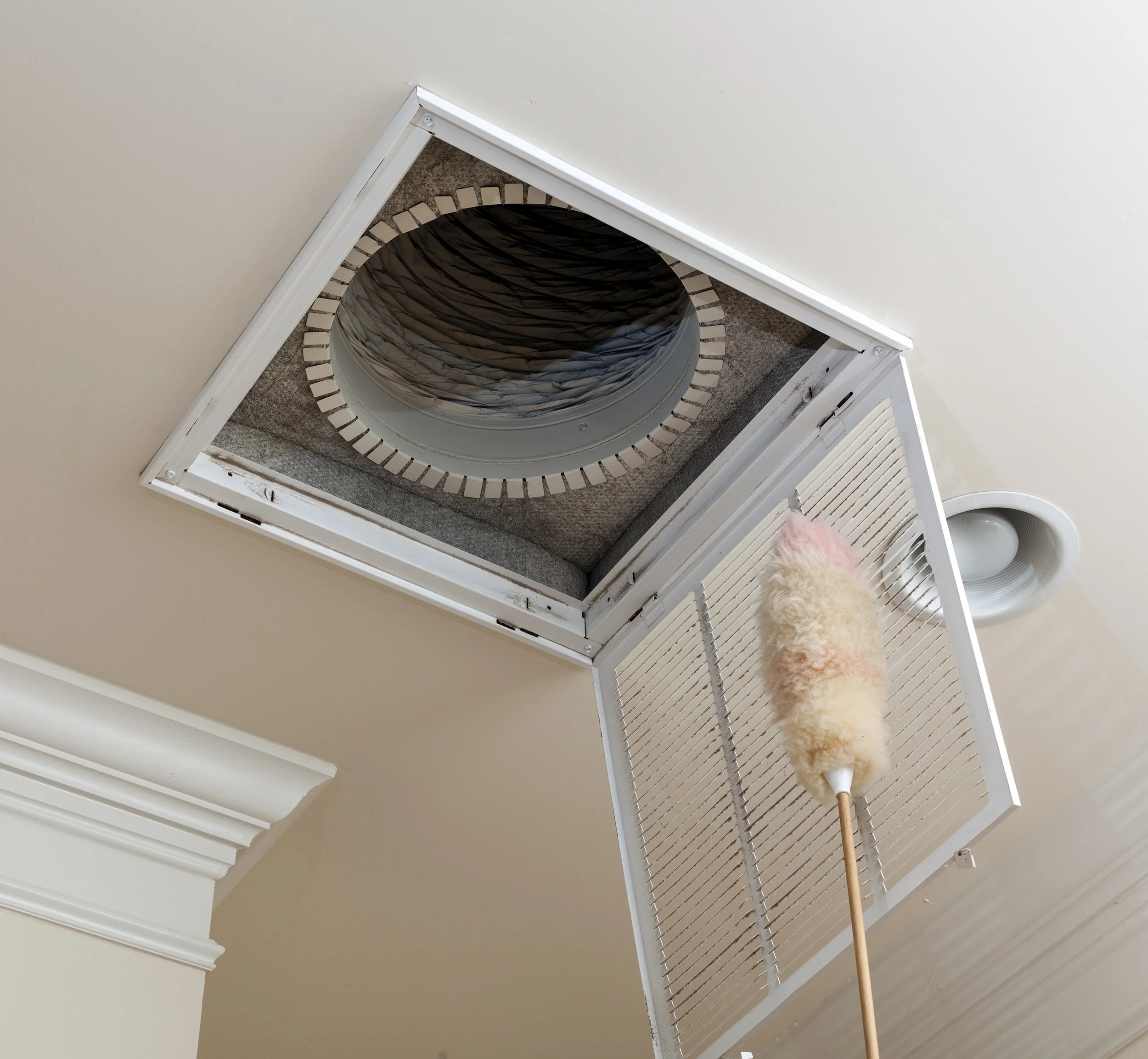
If there's one piece of HVAC maintenance advice that every technician agrees on, it's this: change your filter regularly. It sounds simple — and it is — but a dirty filter is the number one cause of preventable HVAC breakdowns we see in Philadelphia homes. It restricts airflow, forces your system to work harder, drives up your energy bills, and can shorten the lifespan of equipment that costs thousands to replace.
So how often should you actually swap it out? The answer depends on your filter type, your household, and the time of year. Here's what our technicians recommend based on years of servicing homes across Philadelphia, the Main Line, and Delaware County.
The General Rule: Every 90 Days (But Often Sooner)
The standard recommendation for a typical 1-inch pleated filter is every 90 days — about once per season. That's the baseline for a household with no pets, no allergies, and average usage. But here in the Philadelphia area, very few homes fit that "average" description. Between pet dander, pollen from the spring bloom along the Schuylkill, and the heavy use our systems get during hot summers and cold winters, most homes need more frequent changes.
Filter Change Frequency by Type
Not all filters are created equal. Here's a quick breakdown:
- 1-inch fiberglass (flat panel): Every 30 days. These are the cheapest filters and they fill up fast. They're really only catching large debris — don't expect much help with air quality.
- 1-inch pleated: Every 60–90 days. The most common filter in Philadelphia homes. The pleats give it more surface area, so it lasts longer and catches smaller particles.
- 4-inch media filter: Every 6–12 months. If your system uses a thicker media filter cabinet (common in newer installations), you get significantly more filter life. These are excellent for air quality and system protection.
- Washable/reusable filters: Clean monthly. Rinse with water, let it dry completely before reinstalling. Never put a damp filter back in — that's a recipe for mold growth.
Factors That Mean You Should Change It More Often
Several common household conditions can clog a filter much faster than the standard timeline:
- Pets: If you have a dog or cat, change your filter every 60 days. Multiple pets? Every 30–45 days. Pet hair and dander are the single biggest filter killers we see.
- Allergies or asthma: If anyone in your household has respiratory sensitivities, a clean filter isn't optional — it's essential. Change every 30–45 days, especially during Philadelphia's allergy season (April through June).
- Construction or renovation: If you've had any work done in your home — drywall, sanding, painting — check your filter immediately. Construction dust can completely clog a filter in days.
- Smoking indoors: Every 30–45 days. Smoke particles are extremely fine and build up quickly.
- High system usage: During peak summer and winter months when your system runs nearly constantly, filters fill faster. Philadelphia's July heat waves and January cold snaps mean your system is working overtime.
The Quick Check: Hold It Up to the Light
Not sure if your filter needs replacing? Pull it out and hold it up to a light source. If you can see light passing through, it still has life left. If it looks like a solid gray wall of dust — or if it's visibly discolored and heavy — it's time for a new one. You can also set a recurring phone reminder. Our technicians recommend the first of every other month as an easy schedule to remember.
What Happens When You Don't Change Your Filter
We're not trying to scare you — but we do want you to understand what's at stake. A clogged filter causes a chain reaction of problems:
- Reduced airflow: Your system has to push harder to move air through a clogged filter, which strains the blower motor and increases energy consumption by 5–15%.
- Frozen evaporator coil: In cooling mode, restricted airflow can cause the evaporator coil to freeze solid. This is one of the most common AC service calls we get in Philadelphia every summer — and it's almost always a dirty filter.
- Short cycling: The system overheats, shuts down for safety, cools off, restarts, and repeats. This constant on-off cycling wears out components and drives up your electric bill.
- Poor air quality: When the filter is full, particles bypass it entirely. Dust, allergens, and pollutants circulate freely through your home.
- Premature system failure: The cumulative stress of running with dirty filters year after year can shorten your system's lifespan by several years. Considering a new HVAC system in Philadelphia runs $5,000–$15,000+, a $15 filter every couple months is the best insurance you can buy.
Choosing the Right MERV Rating
Filters are rated on the MERV scale (Minimum Efficiency Reporting Value), which ranges from 1 to 20. Higher isn't always better for residential systems:
- MERV 1–4: Basic filtration. Catches large dust and debris. Minimal air quality benefit.
- MERV 8–11: The sweet spot for most Philadelphia homes. Captures dust, pollen, mold spores, and pet dander without restricting airflow too much.
- MERV 13+: Hospital-grade filtration. Excellent for air quality, but can restrict airflow in older systems not designed for it. Always check with your HVAC technician before jumping to a high-MERV filter — some systems simply can't handle the added resistance.
For most of the homes we service across the Main Line and Greater Philadelphia, we recommend a MERV 8 or MERV 11 pleated filter. It's the best balance of filtration, airflow, and cost.
Where to Buy and What to Look For
You can find HVAC filters at any home improvement store — Home Depot and Lowe's on City Avenue both carry a wide selection — or order them online in bulk for better pricing. Before you shop, check the size printed on your current filter's frame (e.g., 16x20x1, 20x25x4). Write it down or snap a photo. Getting the wrong size means air flows around the filter instead of through it, which defeats the entire purpose.
Pro tip: buy a 3-pack or 6-pack and store the extras near your HVAC system. When one is right there waiting, you're far more likely to actually swap it out on schedule.
Set It and Forget It: Consider a Filter Subscription
Several companies now offer filter delivery subscriptions — a new filter shows up at your door on a schedule you choose. It's a small cost for a big convenience, and it removes the "I forgot" factor entirely. Alternatively, GenServ Pro's Home Shield maintenance plan includes regular filter checks as part of your seasonal tune-ups, so you never have to wonder if you're overdue.
Not Sure What Filter Your System Needs?
GenServ Pro's HVAC technicians can recommend the right filter type and MERV rating for your specific system. We serve Philadelphia, the Main Line, and all of Delaware County.