
Your HVAC system accounts for roughly half of your home's energy usage. The good news? With a few smart strategies, most Philadelphia homeowners can trim that bill substantially without sacrificing comfort. Here's how.
1. Optimize Your Thermostat Settings
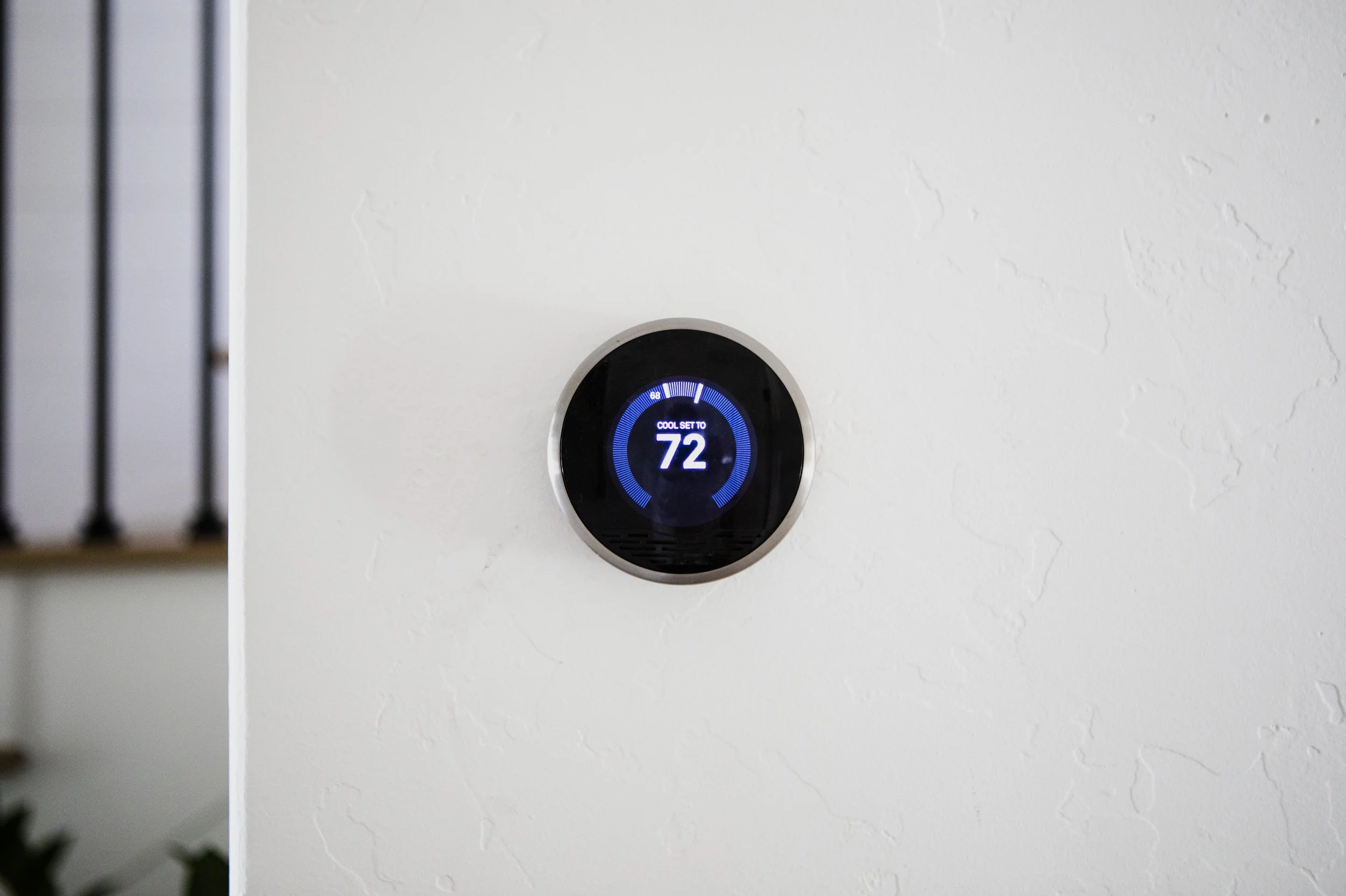
Set your thermostat to 68°F in winter and 78°F in summer when you're home. Every degree above or below these benchmarks can add 3–5% to your energy costs. Better yet, invest in a smart thermostat that automatically adjusts temperatures when you're away or asleep — they typically pay for themselves within the first year.
2. Keep Up with Filter Changes
A dirty air filter forces your HVAC system to work harder, consuming more energy and reducing the system's lifespan. During heavy-use seasons, check filters monthly and replace them when dirty. Using a quality MERV 8–11 filter provides excellent air quality without overly restricting airflow.
3. Seal Air Leaks Around Your Home
According to the U.S. Department of Energy, sealing air leaks can reduce energy costs by 10–20%. Check around window frames, door sweeps, electrical outlets, and where pipes and wires enter the home. Caulk and weatherstripping are inexpensive fixes with big payoffs.
4. Schedule Annual Professional Tune-Ups
A well-maintained system runs more efficiently. Annual tune-ups from a licensed technician include cleaning coils, checking refrigerant levels, lubricating moving parts, and verifying all electrical connections — all of which directly impact efficiency.
5. Add Insulation to Your Home
Philadelphia winters are no joke. If your attic has less than R-38 insulation, you're likely losing significant heat. Adding insulation is one of the highest-ROI home improvements you can make in our climate.
6. Use Ceiling Fans Strategically
In summer, set ceiling fans to spin counter-clockwise (creates a cooling downdraft). In winter, switch them clockwise on low speed to push warm air that's collected at the ceiling back down into the living space. This simple trick can reduce heating costs by up to 15%.
Quick Efficiency Wins
- Close blinds/curtains during hot sunny afternoons
- Keep supply vents clear of furniture
- Have ductwork inspected for leaks (up to 30% of conditioned air is lost through leaky ducts)
- Consider a zoning system if some rooms are always too hot or too cold
When to Consider an Upgrade
If your system is more than 15 years old, even a well-maintained unit may be running at 60–70% of its original efficiency. Modern systems can reach 95%+ efficiency ratings. GenServ Pro can provide an honest assessment of whether repair or replacement makes more financial sense for your situation.
Ready to Improve Your Efficiency?
GenServ Pro can optimize your HVAC system for maximum efficiency and lower bills. Serving Philadelphia and the Main Line.