
If you own a row home in South Philly, a twin in Upper Darby, or a Victorian in Chestnut Hill, you already know the cooling problem: there's no ductwork. Central air requires a network of ducts running through walls and ceilings — and in homes built in the early 1900s, those walls are packed with plaster, knob-and-tube wiring, and decades of character that nobody wants to demolish. Window units work, but they're loud, inefficient, and only cool one room at a time. That's exactly where ductless mini-splits come in.
Mini-split systems have exploded in popularity across the Philadelphia metro area over the past decade, and for good reason. They deliver powerful, efficient heating and cooling without the need to tear apart your home's structure — and they do it quietly, precisely, and at a fraction of the operating cost of window units or electric baseboard heat.
What Is a Ductless Mini-Split, Exactly?
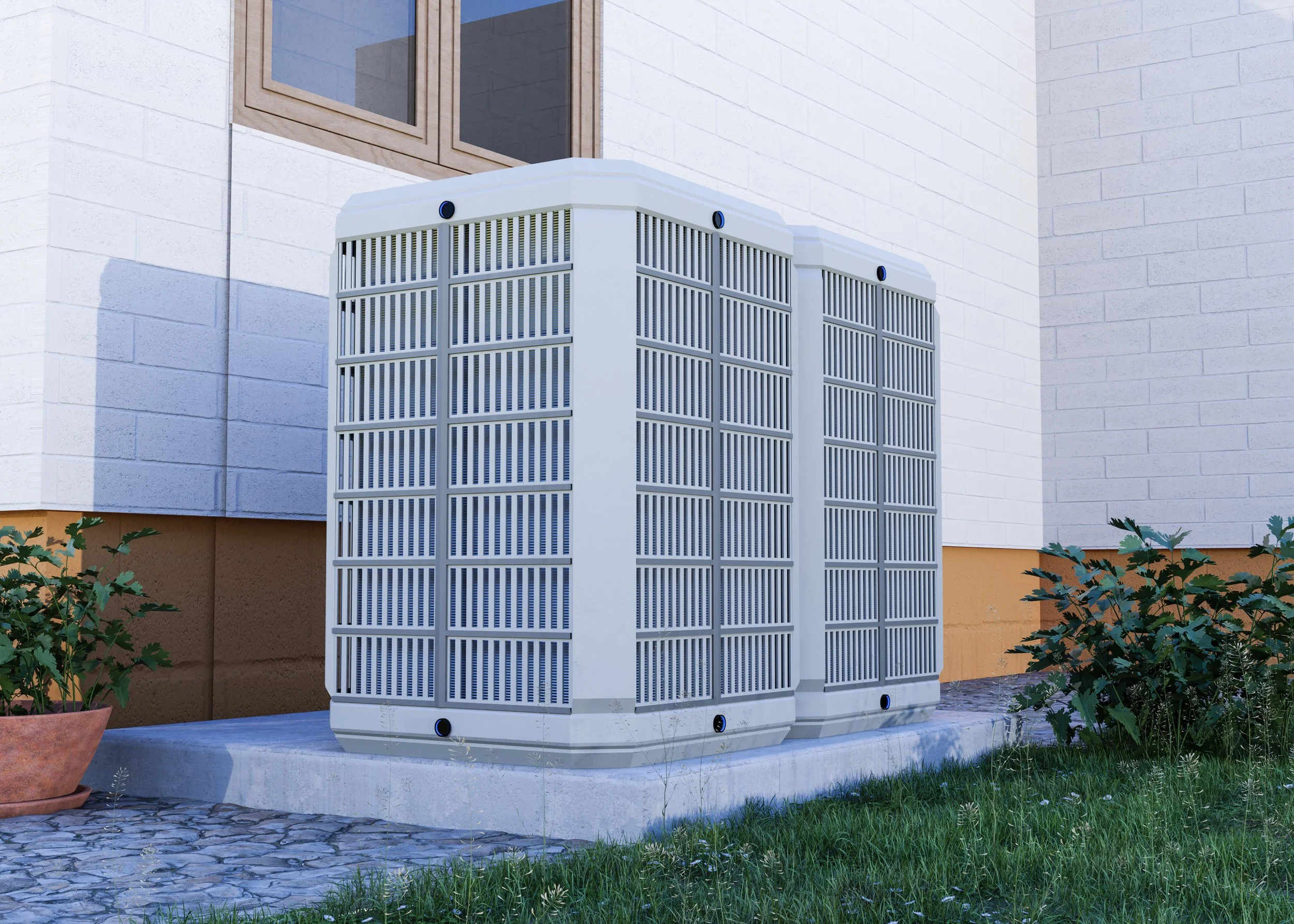
A ductless mini-split system has two main components: an outdoor compressor unit (similar to a central AC condenser) and one or more indoor air-handling units mounted high on a wall or ceiling. The two are connected by a small conduit — roughly 3 inches in diameter — that carries refrigerant lines, a power cable, and a condensate drain line. Installation requires only a small hole in the exterior wall. No ductwork. No major demolition.
Modern mini-splits are heat pumps, which means they provide both heating and cooling from the same unit. In Philadelphia's climate — hot, humid summers and cold winters — this dual-function capability makes them an excellent year-round solution. Most quality systems operate efficiently down to outdoor temperatures of 5°F or lower, which covers nearly all of our typical Delaware County and Main Line winter days.
Why Row Homes and Mini-Splits Are a Perfect Match
Philadelphia's row home stock presents a unique set of HVAC challenges:
- Narrow floor plans: Running ductwork through a 14-foot-wide row home without sacrificing ceiling height is nearly impossible without major renovation.
- Older construction: Pre-1940s homes often have plaster walls, balloon framing, and no room for duct chases — making traditional central air impractical.
- Variable room temperatures: Row homes frequently have top floors that bake in summer (heat rises, roofs radiate) and basements that stay cool year-round. Mini-splits let you treat each zone differently.
- Historic character: Many Philadelphia homeowners don't want to gut walls and ceilings to install ductwork. Mini-splits preserve your home's interior while adding modern comfort.
- Mixed heating systems: Many row homes have radiator or baseboard heat for winter but no cooling solution for summer. A mini-split fills that gap perfectly.
Multi-Zone Systems: One Compressor, Multiple Rooms
One of the biggest misconceptions about mini-splits is that you need an outdoor unit for every room. Not so. Multi-zone mini-split systems allow a single outdoor compressor to support two, three, four, or even more indoor units throughout the home. This is ideal for a typical Philadelphia row home where you might want independent control in the living room, each bedroom, and a finished basement.
Each indoor unit has its own thermostat and remote (or app control), so a family member who runs warm can keep their bedroom at 68°F while another keeps theirs at 72°F — without fighting over a single thermostat. In our experience, this feature alone sells homeowners on mini-splits more than any other.
Did You Know? Mini-Splits Are Significantly More Efficient Than Window Units
A standard window AC unit has a SEER (Seasonal Energy Efficiency Ratio) rating of around 10–12. Modern ductless mini-splits commonly achieve SEER ratings of 20–30 or higher. In practical terms, that means you could cut your cooling energy costs nearly in half compared to window units — and gain the added benefit of heating capability at a fraction of the cost of electric resistance baseboard heat.
The Installation Process: Faster Than You Think
A typical single-zone mini-split installation by a GenServ Pro technician takes about four to six hours. A multi-zone system covering three or four rooms can usually be completed in a full day. The process looks like this:
- Select the optimal location for indoor units in each zone (usually high on a wall for best air distribution)
- Mount the indoor unit brackets and run the refrigerant line set, power cable, and drain line through a small exterior wall penetration
- Install the outdoor compressor on a pad or wall-mount bracket
- Connect refrigerant lines, perform a vacuum test, and charge the system
- Test all zones and walk you through thermostat and app controls
There's no ductwork to run, no attic access required, and no major interior construction. Most Philadelphia homeowners are surprised at how minimally invasive the process is.
Cost: What to Expect in the Philadelphia Market
Mini-split pricing varies based on the number of zones, the brand, and the BTU capacity needed for your home's square footage. As a general range for the Philadelphia area:
- Single-zone system (one room): $2,500–$4,500 installed
- Dual-zone system (two rooms): $4,500–$7,500 installed
- Three- to four-zone system (whole row home): $7,000–$12,000+ installed
These are installed costs including equipment and labor. It sounds like a lot — but compare it to the cost of adding central air via ductwork to an older Philadelphia row home, which can run $15,000–$25,000+ once you factor in structural modifications, drywall repair, and painting. Mini-splits deliver better comfort, greater energy efficiency, and zone control at a significantly lower price point.
Federal tax credits under the Inflation Reduction Act may also apply — homeowners can currently claim up to 30% of the cost (up to $2,000) for qualifying heat pump installations. Ask us about current incentives when you call.
Brands We Install and Recommend
GenServ Pro installs and services all major mini-split brands, including Mitsubishi Electric, Daikin, LG, and Carrier. For most Philadelphia residential applications, we frequently recommend Mitsubishi's Hyper-Heating (H2i) line, which maintains full heating capacity down to -13°F — more than enough for even our coldest Delaware Valley winters. Daikin and LG offer excellent options at competitive price points. During your consultation, we'll assess your home's layout, insulation, and budget to recommend the right system for your specific situation.
Maintenance Is Simple
One reason mini-splits are so popular is how easy they are to maintain compared to central air systems. The indoor unit's air filters can be cleaned by the homeowner every 2–4 weeks — simply remove, rinse with water, let dry, and reinstall. Annual professional service involves cleaning the coils, inspecting refrigerant levels, clearing the condensate drain, and checking electrical connections. It's faster and less involved than servicing a full central HVAC system.
Spring Is the Right Time to Plan Your Mini-Split Installation
Mini-split installations are fastest and least disruptive when the weather is mild — spring is ideal. Equipment lead times and installer schedules fill quickly as summer approaches. Homeowners who plan their installation in February or March are typically up and running before the first real heat of May. Don't wait for a brutal July heat wave to call — by then, you'll be looking at a multi-week wait. Call GenServ Pro now to schedule a free consultation and estimate.
Is a Mini-Split Right for Your Home?
Mini-splits aren't the answer for every situation. If your home already has existing ductwork in good condition, a traditional central air system may be more cost-effective. But for the many Philadelphia-area homes with no ducts, or with problem rooms that a central system can't reach — a finished attic, a garage apartment, an addition — ductless mini-splits are often the smartest investment you can make in home comfort.
The GenServ Pro team serves homeowners across Philadelphia, Delaware County, the Main Line, and surrounding communities. Our 4.9-star rated technicians are licensed (PA HIC # PA 056854), fully insured, and have helped hundreds of Philly-area homeowners solve their cooling challenges with mini-split systems. We'll assess your home, explain your options clearly, and give you a straightforward quote — no pressure, no upsell.
Get a Free Mini-Split Estimate — Before Summer Hits.
GenServ Pro installs and services ductless mini-split systems throughout Philadelphia, Delaware County, and the Main Line. Beat the spring rush — schedule your free consultation today.