
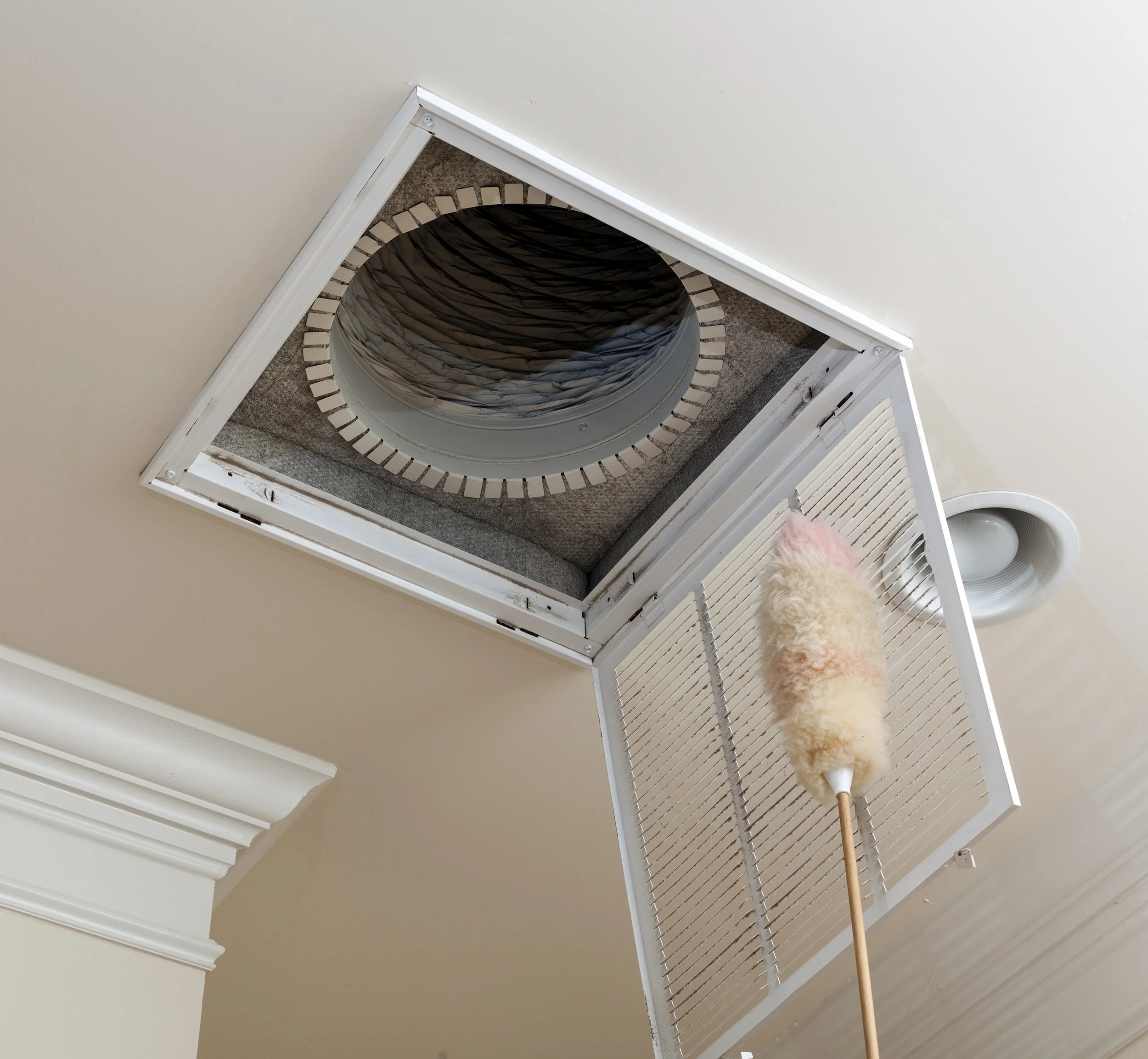
If you've ever stepped out of a hot shower and noticed the bathroom ceiling dripping with condensation, your exhaust fan either isn't working properly — or you don't have one at all. It's a surprisingly common issue in Philadelphia-area homes, especially in older row homes across neighborhoods like South Philly, Fishtown, and Manayunk where bathrooms were often added or renovated without proper ventilation.
A bathroom exhaust fan might seem like a minor fixture, but it plays a critical role in protecting your home from moisture damage, mold growth, and poor indoor air quality. In this guide, we'll cover why bathroom ventilation matters, how to tell if your current fan is doing its job, what to look for in a replacement, and when it's time to call in a professional.
What Does a Bathroom Exhaust Fan Actually Do?
Every time you shower or bathe, you release a significant amount of moisture into the air — a typical ten-minute shower produces roughly half a pint of water vapor. Without proper ventilation, that moisture has nowhere to go. It settles on walls, ceilings, mirrors, and any other cool surface it can find.
A bathroom exhaust fan draws that humid air out of the room and vents it to the outside of your home through ductwork. This simple process prevents a cascade of problems that can be expensive and unhealthy to deal with later.
The Hidden Costs of Poor Bathroom Ventilation
Many Philadelphia homeowners don't realize how much damage a poorly ventilated bathroom can cause over time. Here's what's at stake:
- Mold and mildew growth: Philadelphia's humid summers (average 70–75% relative humidity in July and August) compound the problem. Bathrooms without adequate ventilation become breeding grounds for mold, particularly on grout lines, drywall, and ceiling paint. Black mold remediation can cost thousands of dollars.
- Peeling paint and damaged drywall: Constant exposure to steam causes paint to bubble and peel, and drywall to soften and deteriorate. In plaster-walled homes — which are common throughout the Main Line and Center City — excess moisture can cause plaster to crumble and separate from the lath underneath.
- Warped cabinets and fixtures: Wooden vanities, medicine cabinets, and door frames absorb moisture over time, leading to warping, swelling, and eventual rot.
- Structural damage: In worst-case scenarios, sustained moisture infiltration reaches ceiling joists and wall framing, creating conditions for wood rot that can compromise your home's structural integrity.
- Health concerns: Mold spores, VOCs from cleaning products, and lingering humidity all contribute to poor indoor air quality. For households with allergies, asthma, or respiratory sensitivities, poor bathroom ventilation can be a real health trigger.
Signs Your Bathroom Exhaust Fan Isn't Working Properly
Not sure if your current fan is doing its job? Look for these telltale signs:
- Foggy mirrors that take forever to clear: If the mirror is still steamed up 10–15 minutes after your shower, the fan isn't moving enough air.
- Visible mold or mildew on the ceiling or walls: Even small patches of discoloration are a sign that moisture is sticking around too long.
- Musty or stale odors: A properly ventilated bathroom shouldn't smell damp or musty between uses.
- The fan is excessively loud: A noisy fan often means a failing motor, worn bearings, or a unit that was undersized from the start. Modern fans operate at whisper-quiet levels (0.3–1.0 sones).
- The tissue test: Turn the fan on and hold a single sheet of toilet paper up to the grille. If the fan can't hold it in place, airflow is inadequate.
- Condensation on windows or walls: Moisture forming on bathroom windows or walls during and after a shower is a ventilation red flag.
A Common Problem in Older Philadelphia Homes
Many bathrooms in pre-1960s Philadelphia row homes were built without exhaust fans entirely — some rely on windows for ventilation. While an open window can help in mild weather, it's unreliable in winter, during rain, and when outdoor humidity is high. If your bathroom has no exhaust fan, or if the existing fan vents into the attic rather than outside, it's time to upgrade. Venting into an attic is actually worse than having no fan at all — you're just moving the moisture problem to a different part of the house where it can cause hidden roof and insulation damage.
How to Choose the Right Bathroom Exhaust Fan
When it's time for a new fan — whether as a replacement or a first-time installation — here's what to consider:
CFM Rating (Airflow Capacity)
CFM stands for cubic feet per minute and measures how much air the fan moves. The general rule is 1 CFM per square foot of bathroom floor space, with a minimum of 50 CFM. For a standard 8×10 bathroom, that's 80 CFM. For larger bathrooms with jetted tubs, steam showers, or separate toilet rooms, you'll need more — often 100–150 CFM or a multi-fan setup.
Sone Rating (Noise Level)
Sone is the unit of perceived loudness. Lower is quieter. For reference:
- 0.3–0.5 sones: Near-silent — you'll barely notice it's running
- 1.0 sones: Quiet — comparable to a refrigerator hum
- 2.0–3.0 sones: Moderate — audible but not bothersome
- 4.0+ sones: Loud — typical of older, cheaper models
We generally recommend fans rated at 1.0 sone or below. A quiet fan is one you'll actually use — and many homeowners skip the fan altogether because their old one sounds like a jet engine.
Useful Features Worth Considering
- Humidity sensors: The fan turns on automatically when it detects elevated moisture levels and shuts off when the room dries out. This is the single best upgrade for "set it and forget it" ventilation.
- Timer switches: Allow the fan to run for a set period (usually 15–30 minutes) after you leave the bathroom, ensuring complete moisture removal.
- Integrated LED lighting: Replaces both your fan and overhead light in one fixture, simplifying the ceiling.
- Motion sensors: The fan activates when someone enters the bathroom — ideal for guest bathrooms and rentals.
Installation: Why It's Not a Simple DIY Job
While replacing an existing fan with a same-size unit might seem straightforward, proper bathroom exhaust fan installation involves several trades:
- Electrical work: Wiring a new fan, especially one with a humidity sensor or separate switch, typically requires a licensed electrician in Pennsylvania.
- Ductwork: The fan must vent to the exterior of the home — through a roof cap, soffit, or side wall. Improperly routed ductwork can reduce airflow by 50% or more.
- Cutting and framing: First-time installations in homes without existing fans require cutting into the ceiling, routing duct through walls or attic space, and installing an exterior vent cap.
- Building codes: Pennsylvania building code requires mechanical ventilation in bathrooms without operable windows, and many municipalities in the Philadelphia area require a permit for new fan installations that involve structural changes.
At GenServ Pro, we handle the full scope — electrical, ductwork, and finish work — so you don't need to coordinate multiple contractors. One call, one crew, done right.
Maintenance Tips to Keep Your Fan Running Strong
A bathroom exhaust fan needs minimal maintenance, but "minimal" doesn't mean "none." Here's a quick annual routine:
- Clean the grille cover: Pop off the cover (most snap or squeeze off) and wash it with warm soapy water. Dust and lint buildup on the grille restricts airflow significantly.
- Vacuum the fan blades: With the cover off and the power off, use a vacuum brush attachment to clean dust from the fan blades and motor housing.
- Check the exterior vent cap: Make sure the damper flap opens freely and isn't blocked by debris, bird nests, or paint. A blocked vent cap renders the whole system useless.
- Listen for changes: If your fan starts rattling, grinding, or getting louder over time, the motor bearings are likely wearing out. Most exhaust fan motors last 8–12 years with regular use.
Need a Bathroom Exhaust Fan Installed or Replaced?
GenServ Pro handles ventilation projects across Philadelphia, the Main Line, and Delaware County — from simple fan swaps to first-time installations in older homes. Licensed, insured, and rated 4.9 stars.