
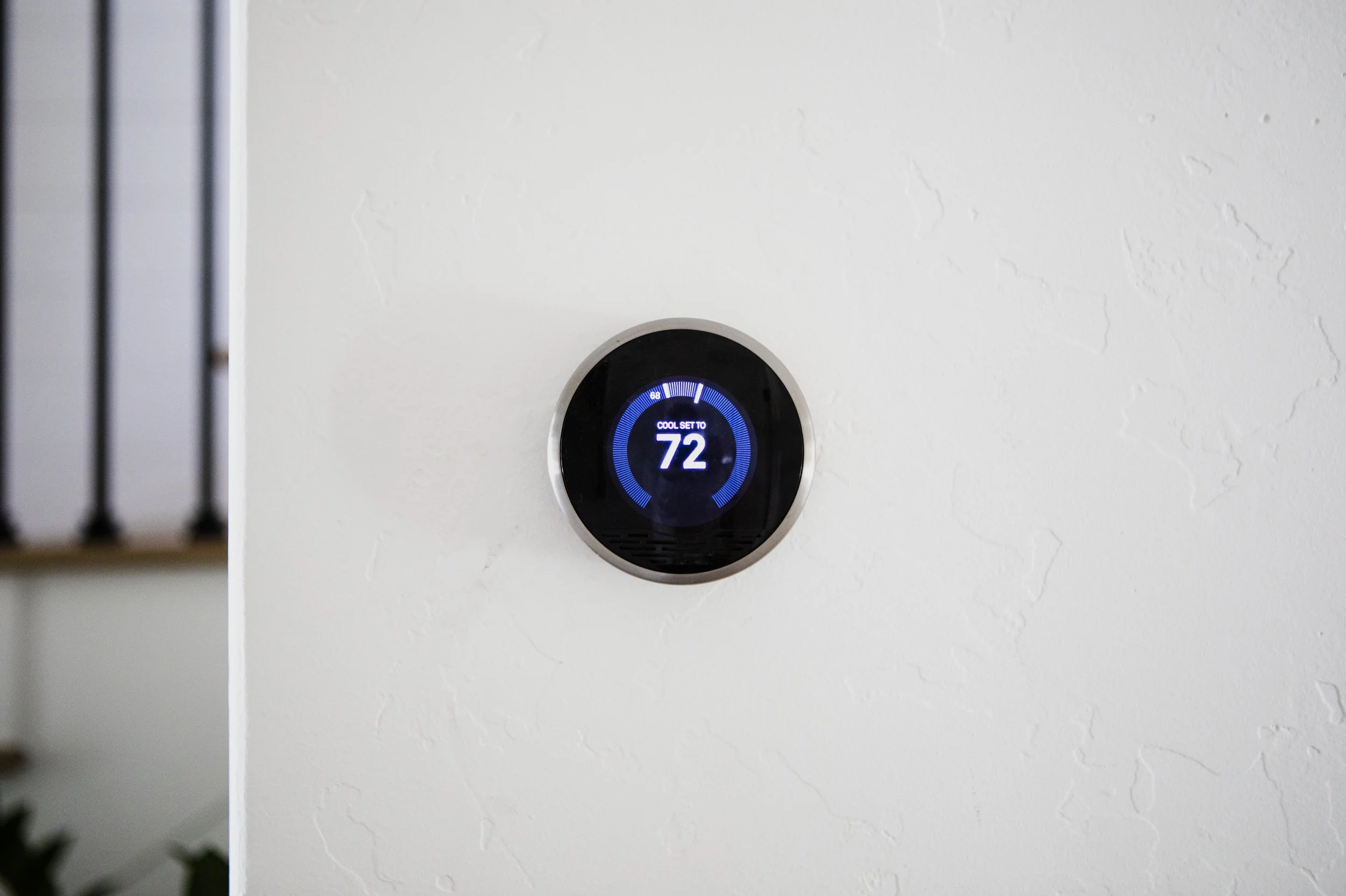
September in Philadelphia is a transitional month — mornings are cool, afternoons can still hit 80°F, and before you know it, you'll be reaching for the heat. This in-between period is actually the ideal time to prepare your HVAC system for the cooler months ahead. Here's a comprehensive checklist to get your home ready.
Switch from Cooling to Heating Mode Thoughtfully
Before you need heat, test your heating system during a mild day. Turn the thermostat to heat mode and set it a few degrees above room temperature. Confirm that warm air comes from the vents within a few minutes. A brief burning smell the first time you run heat (from dust burning off the heat exchanger) is normal — but a persistent burning smell, smoke, or strange odors require immediate attention.
Replace Your Air Filter
Fall is a natural checkpoint for filter changes. After a summer of running AC, your filter has worked hard. Start the heating season with a fresh filter so your system runs at peak efficiency from day one. While you're at it, mark your calendar (or set a phone reminder) to check the filter again in November and January.
Schedule Your Annual Furnace or Heat Pump Tune-Up
September and early October are the sweet spot for heating system maintenance — HVAC companies are less busy than they'll be in November, and you have time to address any issues found before you actually need heat. During a GenServ Pro tune-up, we inspect and clean every critical component of your system and provide you with a detailed report of its condition.
Check Your Home's Weatherization
Walk around your home and address these common energy leaks before heating season:
- Check door sweeps and weatherstripping — replace if light is visible or they feel loose
- Inspect window caulking, especially on older single-pane windows
- Check the attic hatch for weatherstripping
- Look for gaps where pipes, wires, or ducts exit exterior walls
- Consider plastic window insulation film for drafty windows this winter
Update Your Thermostat Schedule
With kids back in school and daily routines resuming, now is the perfect time to update your thermostat's schedule. A well-programmed schedule can reduce heating costs by 10–15% compared to leaving it at a constant temperature. Typical efficient schedule for a family:
- 6–8 AM: 68°F (morning routine)
- 8 AM–3 PM: 62°F (house empty during school hours)
- 3–10 PM: 68°F (family home)
- 10 PM–6 AM: 65°F (sleeping)
Indoor Air Quality Check
Fall is also a great time to think about indoor air quality. As you seal up your home for winter, air circulation decreases and indoor pollutants concentrate. Consider replacing older air filters with ones that address allergens (MERV 8–11 range), and if anyone in your home has allergies or asthma, ask us about whole-home air purification or humidity control options.
Check Carbon Monoxide and Smoke Detectors
With heating season approaching, working carbon monoxide detectors are non-negotiable. CO detectors should be replaced every 5–7 years (check the date on the back). Replace batteries in all smoke and CO detectors now — the standard recommendation is to change batteries when clocks change in November, but getting ahead of it in September is even better.
Inspect Vents and Registers Throughout the House
Walk through every room and make sure supply vents are open and unobstructed. Summer furniture rearranging often inadvertently blocks vents. Also check that all return air grilles are unobstructed — blocking returns is one of the most common causes of uneven heating and system strain.
Ready to Schedule Your Fall Tune-Up?
Beat the fall rush — schedule your heating system maintenance in September. GenServ Pro serves Philadelphia, the Main Line, and Delaware County.