
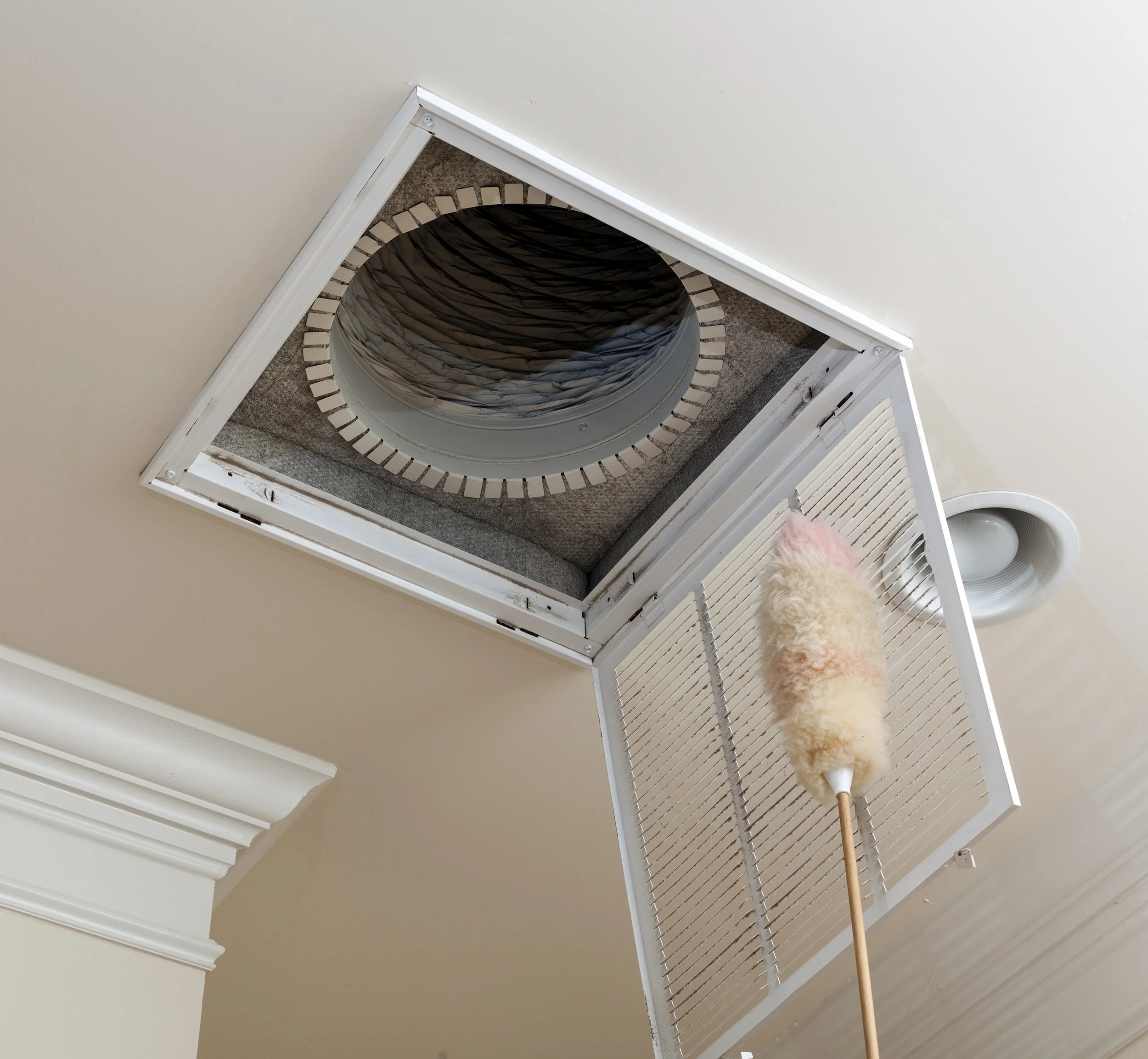
If you're like most Philadelphia homeowners, you probably don't think much about what's inside your air ducts — until something goes wrong. Maybe the house smells musty when the AC kicks on, or your allergies seem worse indoors than outdoors. Maybe dust settles on your furniture faster than you can wipe it away, no matter how often you clean.
The culprit could be hiding right behind your walls. Over time, your home's ductwork accumulates dust, pet dander, pollen, mold spores, and other contaminants that get recirculated every time your HVAC system runs. And with Philadelphia summers bringing heat, humidity, and high pollen counts, dirty ducts can turn your home from a cool retreat into an air quality nightmare.
What Accumulates Inside Your Air Ducts
Your HVAC system moves air through your ductwork hundreds of times per day. Even with a good filter, microscopic particles slip through and settle on interior duct surfaces. Over the course of several years, the buildup can be substantial:
- Dust and dust mites — The average Philadelphia home generates about 40 pounds of dust per year. A portion of that ends up in your ducts.
- Pollen and allergens — The Delaware Valley's tree, grass, and ragweed seasons push pollen into every crack. Once inside your ducts, it recirculates long after allergy season peaks.
- Pet dander — If you have cats, dogs, or other furry pets, their dander accumulates in ductwork and can trigger reactions even in rooms the pets don't enter.
- Mold and mildew — Philadelphia's humid summers create condensation inside ductwork, especially in unconditioned attics and basements. Mold colonies can grow silently in ducts for months.
- Construction debris — If your home has undergone any renovation — even minor drywall work — fine particulate likely made its way into the duct system.
- Insect and rodent remnants — In older Philly row homes especially, pests occasionally find their way into ductwork, leaving behind droppings and debris.
How Dirty Ducts Affect Your AC Performance
It's not just about air quality — dirty ducts directly impact your cooling system's efficiency and your energy bills. Here's how:
- Restricted airflow: Dust buildup narrows the effective diameter of your ducts, forcing your blower motor to work harder to move the same volume of air. This increases energy consumption and accelerates wear on the motor.
- Clogged evaporator coil: Contaminants that pass through ducts can coat your evaporator coil, reducing its ability to absorb heat. A dirty coil can cut cooling efficiency by 20–30%.
- Uneven cooling: When some duct runs are more clogged than others, certain rooms get less airflow, leading to hot spots and cold spots throughout the house.
- Short cycling: Restricted airflow can cause the system to overheat and shut down prematurely, only to restart minutes later — a pattern called short cycling that drives up energy costs and shortens equipment life.
Did You Know?
According to the EPA, indoor air can be two to five times more polluted than outdoor air. In a city like Philadelphia — where many homes are 50 to 100+ years old with original or aging ductwork — indoor air quality issues are especially common. Professional duct cleaning removes the accumulated contaminants that your filter alone can't catch.
Signs Your Ducts Are Overdue for Cleaning
Not sure whether your ducts need attention? Look for these telltale signs:
- Visible dust puffs from vents — If you see dust blow out when the system starts, contaminants have built up near the register openings.
- Musty or stale odor when the AC runs — This often indicates mold growth or organic debris inside the ductwork.
- Worsening allergies or respiratory symptoms indoors — If family members experience more sneezing, congestion, or irritation at home than elsewhere, duct contamination may be the cause.
- Excessive dust on furniture and surfaces — If you're dusting more frequently than usual and can't explain why, your ducts may be redistributing settled contaminants.
- It's been 3–5 years since the last cleaning — The National Air Duct Cleaners Association (NADCA) recommends cleaning every 3 to 5 years, or more frequently if you have pets, smokers, or recent renovations.
- You've recently completed a renovation — Drywall dust, sawdust, and paint particles are extremely fine and infiltrate ductwork easily during construction.
What Professional Duct Cleaning Involves
Professional duct cleaning is far more thorough than what any DIY approach can achieve. At GenServ Pro, our process includes:
- Full system inspection: We start with a camera inspection of your ductwork to assess the level of contamination and identify any damage, disconnections, or mold growth.
- Negative pressure cleaning: We connect a high-powered vacuum to your duct system, creating negative pressure that prevents loosened debris from entering your living space. Specialized brushes and compressed air tools dislodge buildup from duct walls.
- Register and grille cleaning: Every supply and return register is removed, cleaned, and reinstalled.
- Blower and coil inspection: While we have access to the system, we inspect the blower assembly and evaporator coil for contamination that could impair performance.
- Sanitization (optional): For homes with mold concerns or heavy pet dander, we can apply an EPA-registered antimicrobial treatment to inhibit future growth.
The entire process typically takes 2 to 4 hours for an average Philadelphia home and creates minimal disruption to your day.
Why Spring Is the Ideal Time
Scheduling duct cleaning in May — before the summer cooling season hits full stride — offers several advantages:
- Your AC starts clean: Fresh ducts mean your cooling system operates at peak efficiency from day one of summer.
- Allergy relief: Removing accumulated pollen and allergens before Philadelphia's summer humidity traps them in your home gives allergy sufferers real relief.
- Catch problems early: A duct inspection may reveal disconnected joints, damaged insulation, or early-stage mold — issues that are far cheaper to address now than in the middle of a July heat wave.
- Better scheduling availability: HVAC companies are less slammed in May than in June and July, meaning you can book a convenient time slot.
Duct Cleaning vs. Filter Replacement: Both Matter
Some homeowners assume that regularly changing their HVAC filter eliminates the need for duct cleaning. While filter changes are essential — and we recommend doing so every 1 to 3 months — filters only capture particles before they enter the system. They do nothing about contaminants that have already settled inside the ductwork downstream of the filter, or debris that enters through leaky duct joints, especially in unconditioned crawlspaces and attics common in Philadelphia-area homes.
Think of it this way: changing your filter is like brushing your teeth. Duct cleaning is like going to the dentist. You need both for the best results.
Breathe Easier This Summer — Schedule Your Duct Cleaning Today
GenServ Pro serves Philadelphia, the Main Line, and Delaware County with professional air duct cleaning, HVAC maintenance, and indoor air quality solutions. Call us or book online — we'll have your ducts clean before the summer heat arrives.