
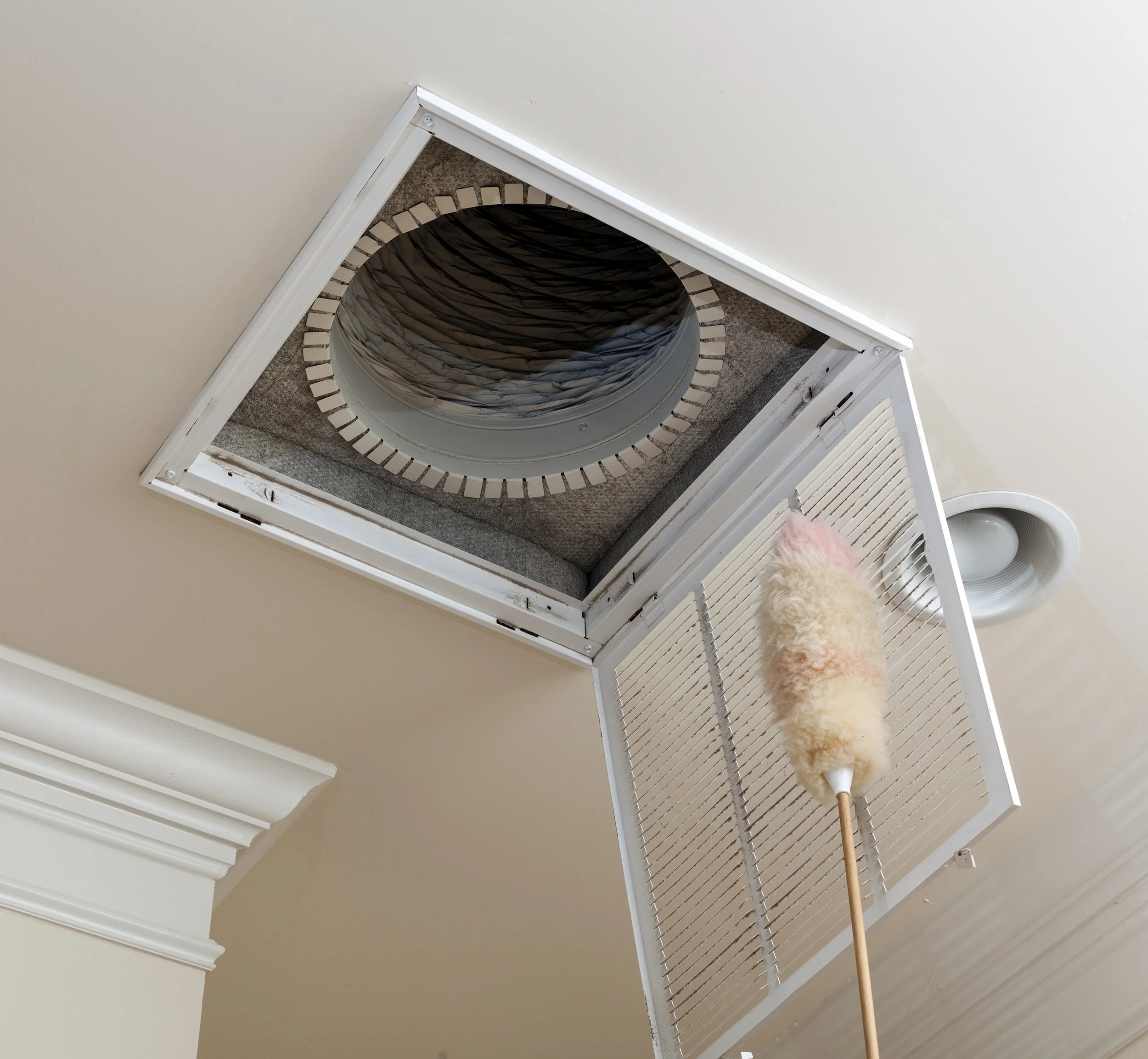
Every summer, GenServ Pro fields dozens of calls from Philadelphia homeowners whose air conditioners are running fine — cool air is coming out, the system cycles normally — but water is dripping from the air handler, pooling in the utility room, or worse, soaking through a ceiling. Nine times out of ten, the culprit is the same: a clogged condensate drain line.
It's one of the most common (and most preventable) HVAC failures of the summer season. Here's everything you need to know about what the condensate drain does, why it clogs, how to recognize the warning signs early, and what it takes to fix it before your drywall pays the price.
What Is the Condensate Drain Line — and What Does It Do?
When your air conditioner cools your home, it does two things simultaneously: it lowers the temperature and it removes humidity from the air. That moisture doesn't disappear — it condenses on the cold evaporator coil inside your air handler, just like water beads up on a cold glass on a humid day.
That condensed water drips off the coil into a drain pan, then exits your home through the condensate drain line — typically a white PVC pipe that terminates outside near your foundation, in a floor drain, or into a utility sink. On a hot, humid Philadelphia summer day, a properly functioning AC system can pull two to five gallons of moisture per hour from your indoor air. Over the course of a week, that's a significant amount of water moving through a relatively narrow pipe.
When that pipe gets clogged, all of that water has nowhere to go. It backs up into the drain pan, the pan overflows, and water begins to leak inside your home — often directly onto ceilings, walls, or finished flooring.
Why Do Condensate Drains Clog?
The condensate drain line operates in a warm, dark, and consistently moist environment — ideal conditions for biological growth. The most common causes of clogs include:
- Algae and mold buildup: This is the number one culprit. Algae and mold thrive in the drain pan and line, eventually forming a slimy blockage that stops water flow entirely.
- Dust and debris accumulation: Over time, dust that bypasses your air filter settles on the evaporator coil and drain pan. When it mixes with condensate water, it forms a muddy sediment that gradually restricts the drain.
- Dirt in the drain pan: Especially common in systems that haven't been serviced in a few years, accumulated debris in the pan can wash into the drain line and pack tightly at bends or connections.
- Insects or small critters: Drain lines that terminate outdoors can attract insects looking for moisture. Dirt daubers (mud wasps) are notorious for nesting inside condensate drain terminations, particularly in the Philadelphia area.
- Improper slope: Condensate lines must maintain a consistent downward slope for gravity drainage. If the line shifts, sags, or wasn't installed with proper pitch, water can pool and stagnate — accelerating biological growth.
Warning Signs Your Condensate Drain Is Clogged
Catching a condensate clog early can be the difference between a $150 service call and a multi-thousand-dollar water damage repair. Watch for these warning signs:
- Water dripping from the air handler: The most obvious sign. If you see water dripping from your air handler or a water stain on the ceiling below it, check the condensate pan immediately.
- AC shuts off unexpectedly: Many modern systems have a float switch installed in the drain pan. When water reaches a certain level, the float switch triggers a safety shutoff to prevent overflow damage. If your AC keeps shutting off but restarts normally, a clogged drain may be tripping the safety switch.
- Musty smell from vents: Standing water in the drain pan creates a perfect breeding ground for mold and mildew. If you notice a musty or sour smell when your AC runs, a backed-up condensate system is frequently the source.
- Visible standing water in the drain pan: If you can access your air handler, a quick visual inspection of the drain pan is worth doing periodically. A little water is normal; standing water that isn't draining is not.
- Higher-than-normal indoor humidity: A severely clogged system that triggers the safety shutoff leaves your home without dehumidification. If your home suddenly feels sticky and humid even when the AC is "running," the system may be short-cycling due to a drain issue.
- Water stains on walls or ceiling near the air handler: If water has been overflowing for any length of time, staining or soft spots in drywall near the air handler location are a strong indicator of a chronic condensate problem.
Philadelphia Humidity Makes This Worse
Philadelphia averages relative humidity above 70% from June through August. That means your AC system is working overtime to pull moisture from the air — often producing two to three times the condensate volume compared to a dry climate. The combination of heavy moisture production, warm temperatures, and typical Philadelphia row home construction (often with air handlers in finished basements or tight utility closets) makes condensate drain maintenance more critical here than in many other parts of the country.
How to Clear a Clogged Condensate Drain: What You Can Try Yourself
If you're comfortable doing basic home maintenance, a mild clog can sometimes be cleared without a service call. Here's the process:
- Turn off your AC system at the thermostat and at the breaker before doing any work near the air handler.
- Locate the drain pan and remove any standing water using a wet/dry vacuum or towels. This prevents overflow during the clearing process.
- Find the condensate drain access port. Most systems have a T-shaped vent cap somewhere along the drain line near the air handler. Remove the cap.
- Flush with distilled white vinegar. Pour about one cup of plain distilled white vinegar into the access port. Vinegar is mildly acidic and kills algae and mold without damaging the PVC pipe. Let it sit for 30 minutes.
- Flush with warm water. Follow with warm water to push the loosened debris through the line and verify it's draining freely at the outdoor termination point.
- Check the outdoor termination. Go outside and confirm water is flowing freely from the drain line exit. If it's not draining, the clog may be further along the line or more severe.
- Use a wet/dry vacuum at the termination end. If flushing doesn't work, attach a wet/dry vacuum to the outdoor end of the drain line and run it for 2–3 minutes to suck out the clog from the other direction.
If none of these steps restore free drainage — or if you discover standing water has already overflowed the pan — it's time to call a professional.
When to Call GenServ Pro Instead of DIY
Some condensate drain situations are beyond a simple vinegar flush. Call us when:
- Water has already overflowed the pan and reached drywall, framing, or flooring
- The drain line isn't accessible (common in older Philadelphia homes with enclosed utility chases)
- The clog reoccurs within the same season — this usually indicates a systemic issue with drain line slope, pan design, or coil condition
- You find mold growth in the drain pan or around the air handler
- The float switch has tripped and you can't identify the water source
- Your system is older and you're not sure where the drain line runs
GenServ Pro technicians use a combination of wet/dry vacuuming, pressurized nitrogen flushing, and drain line camera inspection to fully clear and verify condensate lines. We also inspect the coil, pan, and nearby ductwork for secondary water damage or mold — something a quick DIY flush won't catch.
Preventing Condensate Clogs: A Simple Annual Routine
The good news: condensate drain clogs are almost entirely preventable with a few minutes of maintenance each spring. Here's what we recommend to Delaware County and Main Line homeowners:
- Vinegar treatment every spring: Before the cooling season begins, pour one cup of distilled white vinegar down the condensate access port. It takes five minutes and dramatically reduces algae buildup through the summer.
- Condensate drain tablets: Drop-in algaecide/biocide tablets (available at HVAC supply stores) dissolve slowly in the drain pan and prevent biological growth all season. Change them every 1–3 months depending on the product.
- Keep your air filter clean: A dirty filter allows more particulates to reach the evaporator coil and drain pan, accelerating buildup. Replace standard 1-inch filters every 30–60 days during heavy cooling season in Philadelphia.
- Annual HVAC maintenance: During a professional tune-up, your technician should inspect and flush the condensate drain, inspect the pan for rust or cracks, and verify proper drain line slope. This is one of the most valuable parts of an annual maintenance visit.
- Install a float switch if you don't have one: If your air handler is in a finished space where a water leak would cause significant damage, a float switch is inexpensive insurance. GenServ Pro can install one during any HVAC service visit.
What About Condensate Pumps?
In some Philadelphia homes — particularly those with air handlers in finished basements or other locations where gravity drainage isn't possible — a condensate pump is used instead of a gravity drain line. The pump collects water in a reservoir and actively pumps it to a drain or outside.
Condensate pumps have their own maintenance requirements and failure modes. If your pump reservoir is overflowing, the pump itself may have failed (the motor burns out over time), the float switch inside the pump may be stuck, or the discharge line from the pump may be blocked. Condensate pump failures can dump just as much water as a clogged drain line — and because the pump is often tucked in an out-of-the-way location, the leak may go unnoticed longer. If you have a condensate pump, add a visual check of the reservoir to your monthly routine through the cooling season.
Don't Ignore Water Near Your Air Handler
Water damage from HVAC condensate leaks is one of the leading causes of homeowner insurance claims in the mid-Atlantic region. A slow leak that goes undetected for even a few weeks can saturate drywall, compromise structural framing, and create extensive mold growth — turning a $150 drain clearing into a $5,000+ remediation project. If you see any sign of moisture near your air handler, address it immediately.
The Bottom Line: Don't Let a $5 Problem Become a $5,000 One
Condensate drain maintenance is one of those unglamorous HVAC tasks that rarely crosses a homeowner's mind — until it's too late. In Philadelphia's humid summers, your air conditioner works hard to keep both the temperature and the moisture under control. Keeping that drain line clear is the only thing standing between all that extracted water and your home's interior.
A cup of vinegar in the spring, a clean air filter through the summer, and an annual professional tune-up will keep your condensate system running trouble-free all season. And if you're already seeing water where it shouldn't be — call GenServ Pro. We've cleared thousands of clogged condensate drains across Philadelphia, Delaware County, and the Main Line, and we'll have your system running dry again fast.
Condensate Problem? We'll Fix It Fast.
GenServ Pro serves Philadelphia, the Main Line, and all of Delaware County. Whether it's a clogged drain, a float switch trip, or water damage from an overflow, our HVAC technicians are ready to help — same-day service available.